


 English
 日本語
日本語 Français
 Deutsch
 Español
 简体中文
简体中文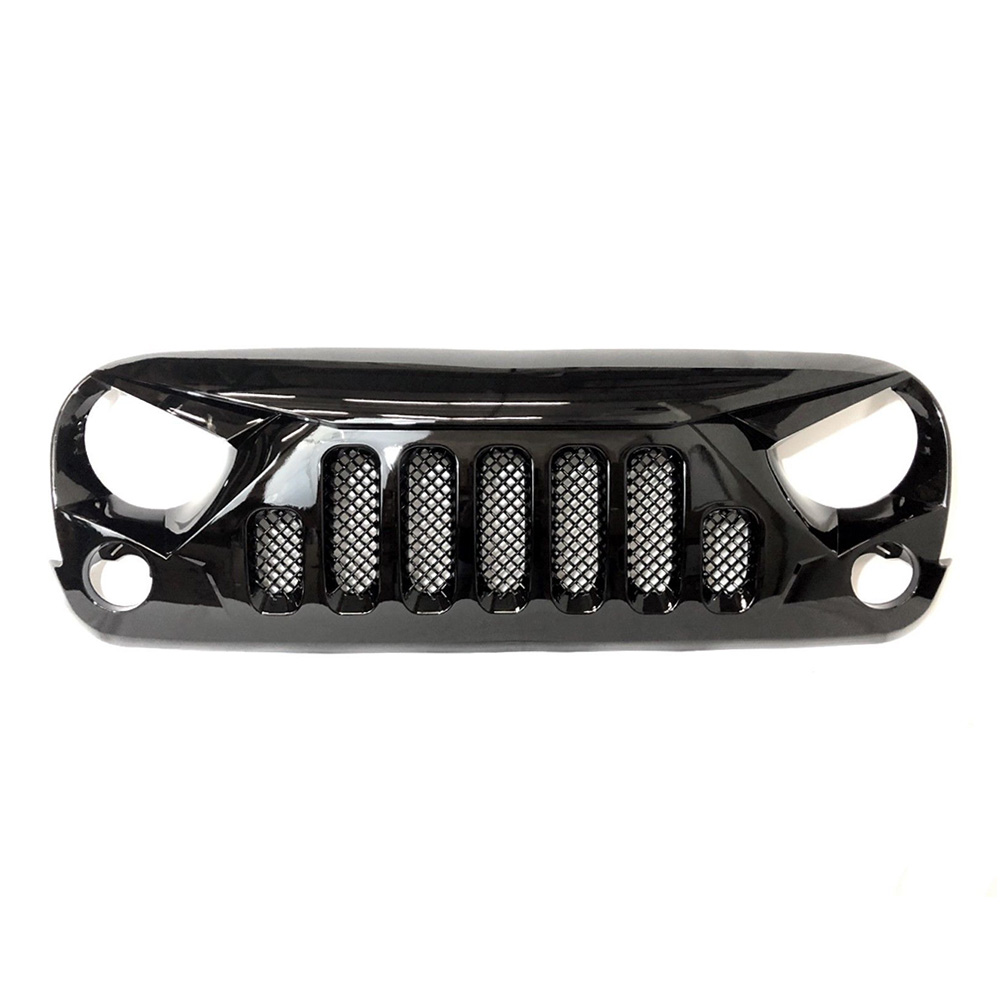
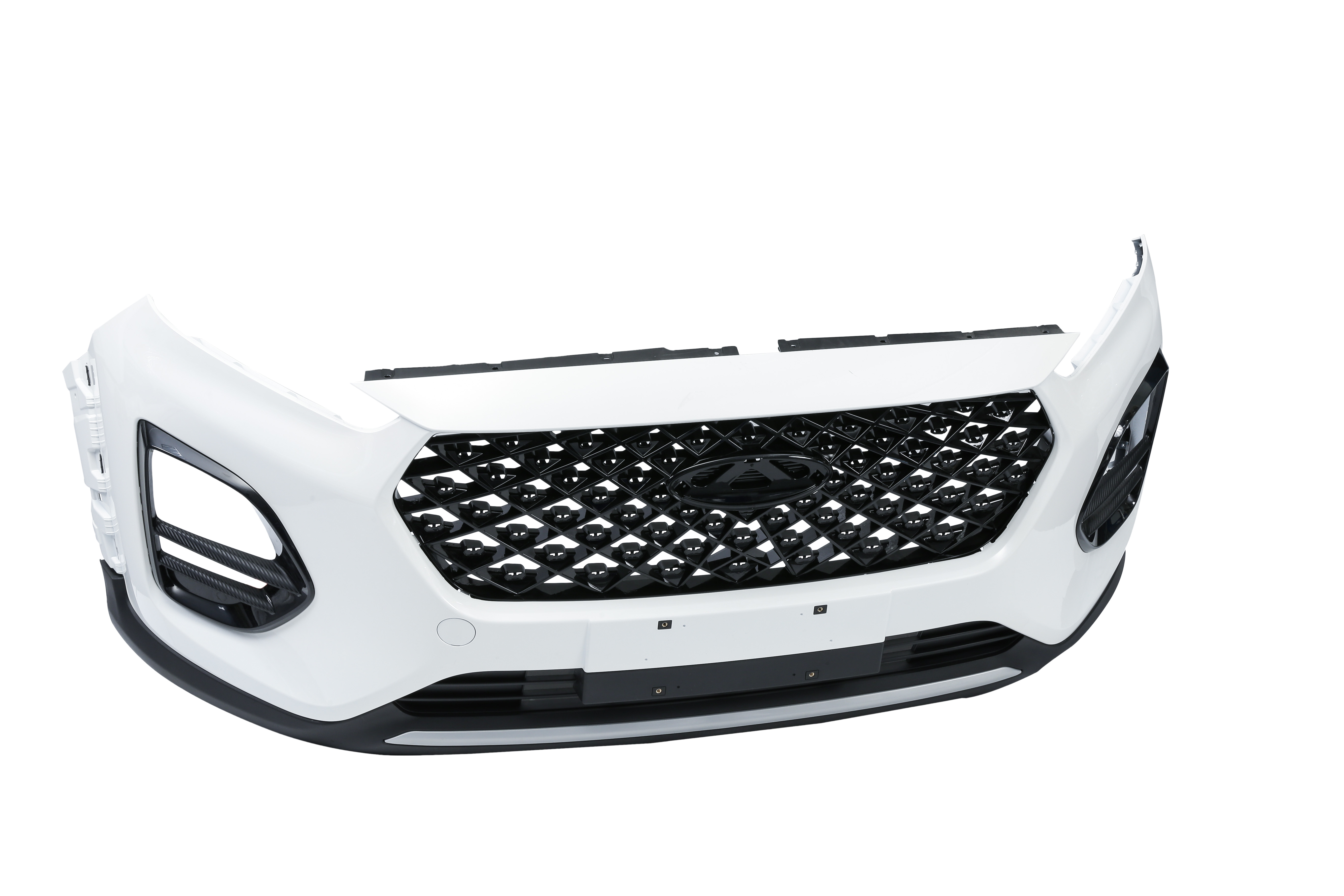
The grille is more than just a decorative element on a car—it serves multiple purposes, from protecting the radiator to influencing airflow and cooling efficiency. Automotive grille factories play a crucial role in creating these components, supplying a wide variety of designs to meet the diverse needs of car manufacturers. Understanding the processes and trends in these factories provides insight into how vehicle design and performance are supported behind the scenes.
1. Materials and Design Considerations
Automotive grille factories work with a range of materials, including ABS plastic, aluminum, and stainless steel. Each material offers unique benefits in terms of weight, durability, and ease of manufacturing. Factories focus on balancing strength with flexibility, ensuring grilles can withstand impact while maintaining design integrity. Modern car designs often demand grilles that are both functional and visually appealing, which requires close collaboration between design teams and factory engineers.
2. Manufacturing Process
The process in an automotive grille factory typically follows several stages:
- Design and Prototyping: Engineers use CAD software to create and refine grille models. Prototypes allow manufacturers to test fit, airflow, and structural strength.
- Molding or Fabrication: Depending on the material, grilles may be injection molded, stamped, or laser cut. Precision at this stage is crucial for maintaining consistency across production batches.
- Finishing: Polishing, painting, or coating is often applied to enhance durability and aesthetics. Some factories offer customizable finishes to meet specific customer requirements.
- Quality Inspection: Every grille undergoes rigorous checks for dimensions, durability, and surface quality to ensure it meets automotive standards.
3. Customization and Flexibility
One of the key advantages of working with an automotive grille factory is the ability to customize designs. Manufacturers can adjust grille patterns, color, or even material blends to align with particular car models or branding goals. This flexibility allows automotive brands to differentiate their vehicles while maintaining functional performance. Factories often provide consulting on design feasibility and material options to help clients make informed decisions.
4. Sustainability Considerations
Environmental concerns are increasingly part of factory operations. Many automotive grille factories are exploring the use of recycled plastics or eco-friendly coatings. Reducing waste during production, optimizing energy use, and implementing sustainable sourcing of raw materials are becoming standard practices. This shift not only responds to regulatory requirements but also appeals to car manufacturers aiming to improve their environmental footprint.
5. Industry Trends
Several trends are shaping automotive grille factories today:
- Automation: Robotics and CNC machines improve production efficiency and consistency.
- Advanced Materials: Lightweight composites and reinforced plastics allow innovative designs without sacrificing strength.
- Global Collaboration: Factories often work with international car manufacturers, adapting to different design specifications and production schedules.
Automotive grille factories are integral to modern vehicle production, providing both functional and aesthetic components. From material selection to manufacturing processes and sustainability practices, these factories influence the final look, durability, and performance of vehicles on the road. As automotive designs continue to evolve, factories will remain at the center of innovation, shaping how cars are built and how they interact with drivers and the environment.
 View More >>
 View More >>
 View More >>
 View More >>
 View More >>
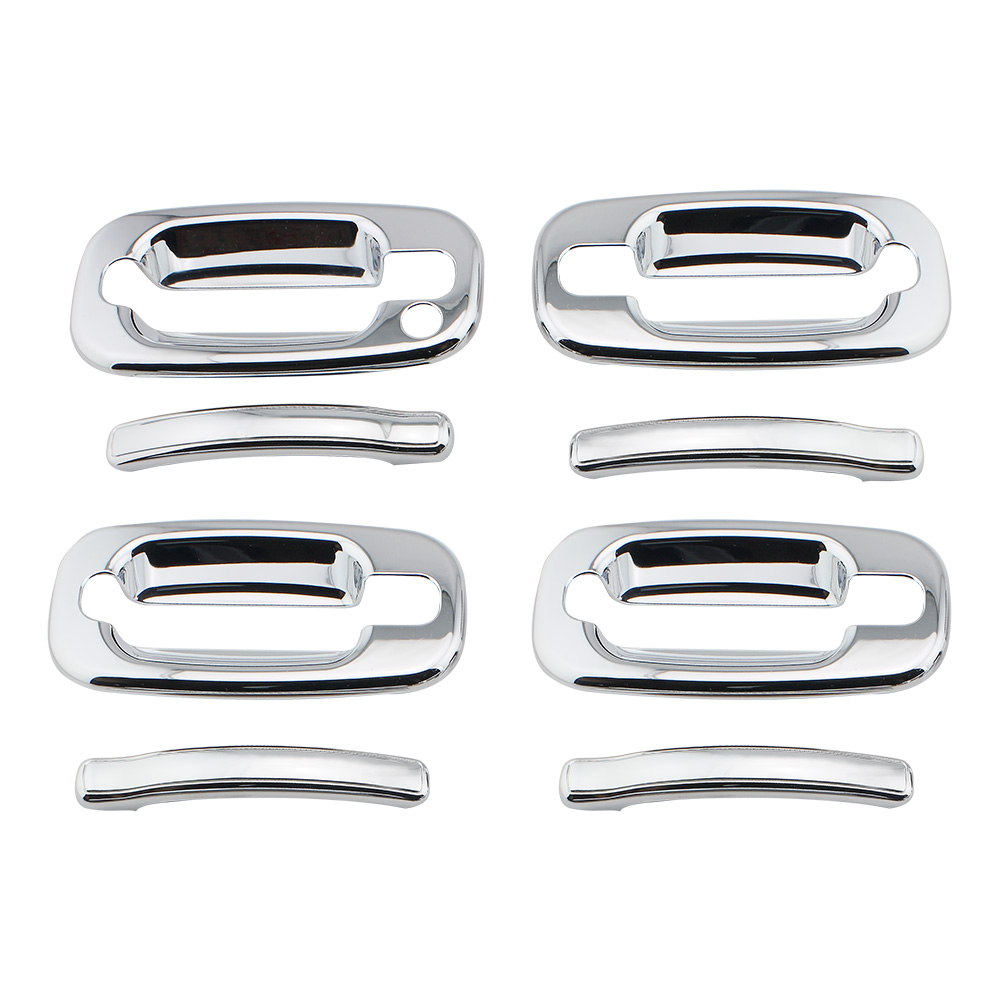 View More >>
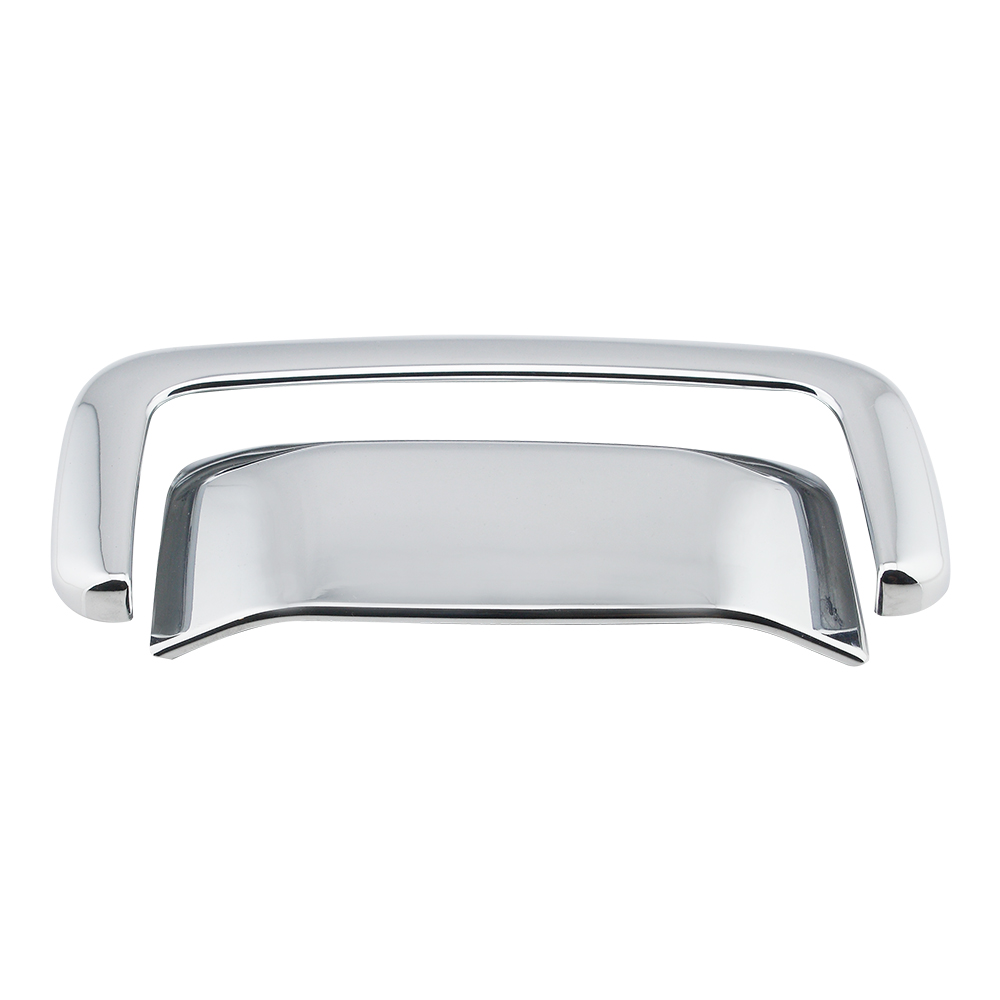 View More >>
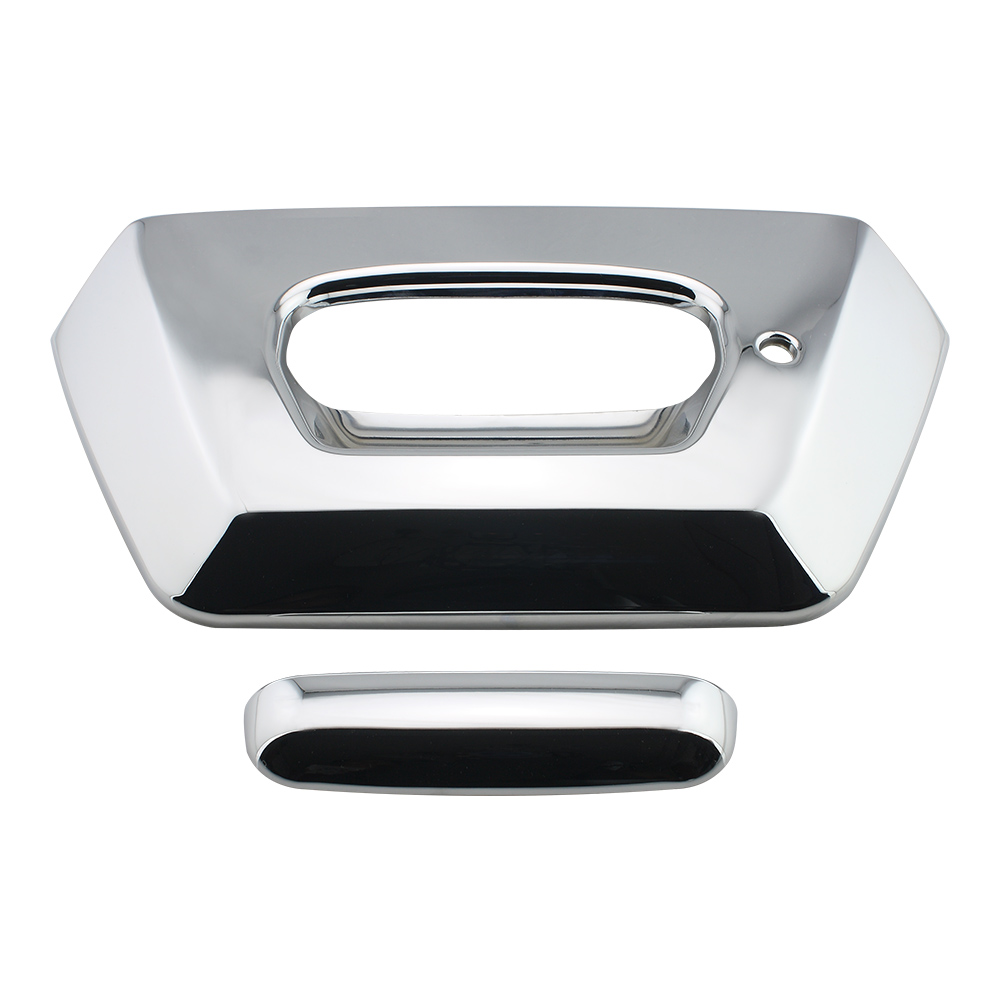 View More >>
(canaddletterfordraptor)-1.jpg) View More >>
View More >>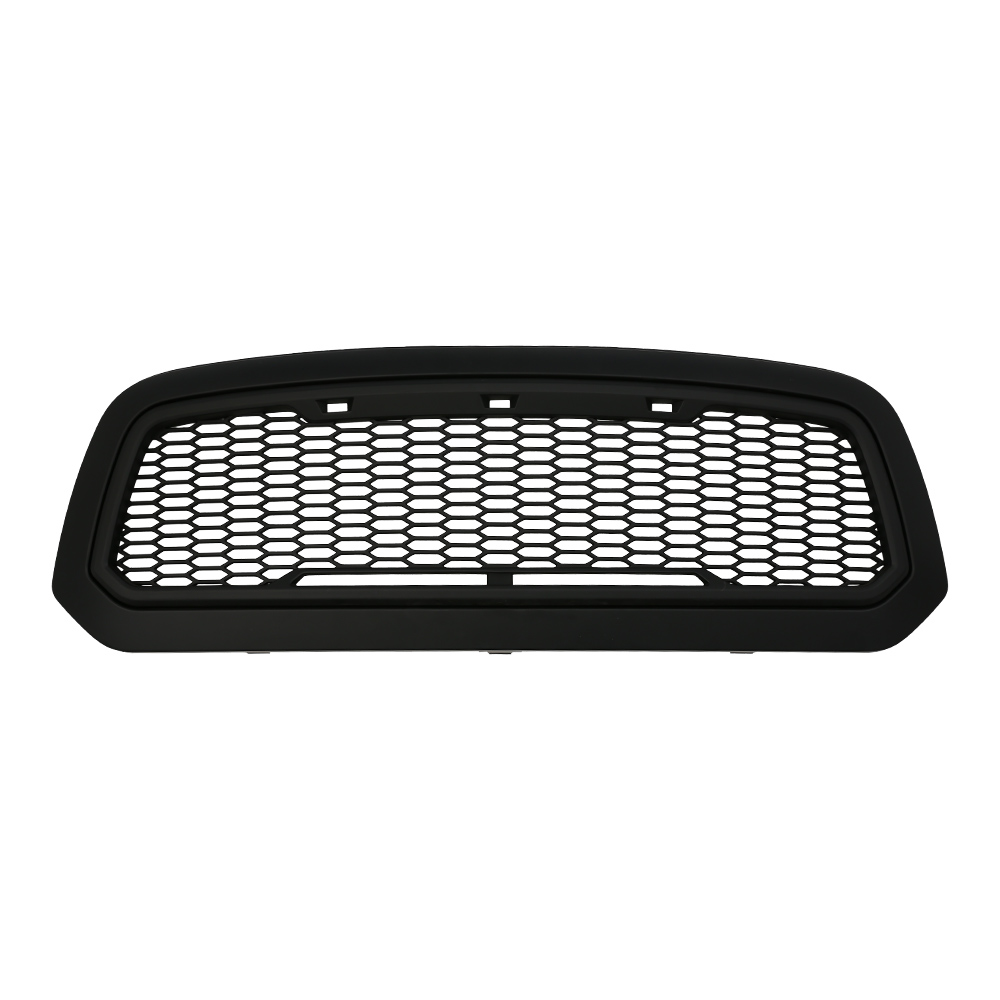 View More >>
 View More >>
 View More >>
 Catalog
 No.41, Qingfeng Avenue, Huangyan, Taizhou, Zhejiang, China
 +86-576-84027277/84299203
 +86-576-84027277
 sale@mamold.com