


 English
 日本語
日本語 Français
 Deutsch
 Español
 简体中文
简体中文(canaddletterfordraptor).jpg)
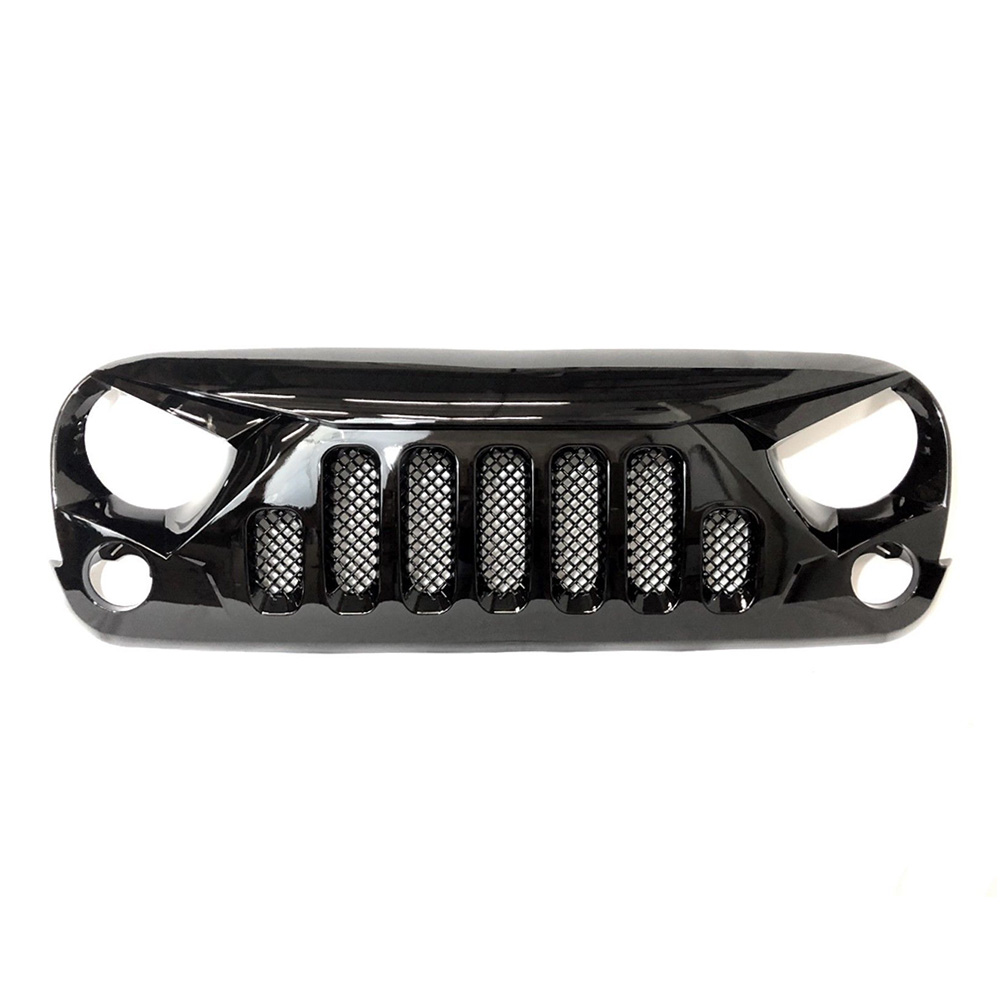
The grille of a vehicle may seem like a small detail, but it significantly influences both style and performance. Automotive grille manufacturers are central to this aspect of car production, designing and producing grilles that meet functional requirements while complementing overall vehicle aesthetics. With evolving automotive trends, these manufacturers are adapting their techniques to meet diverse demands.
1. Materials and Design Choices
Automotive grille manufacturers work with a variety of materials, including ABS plastic, aluminum, and stainless steel. Each material offers specific benefits: plastic grilles are lightweight and cost-effective, while metal options provide durability and heat resistance. Manufacturers must carefully balance design, strength, and manufacturing feasibility to ensure grilles can handle both environmental stress and daily use.
Modern vehicle designs also demand more intricate grille patterns and custom finishes. This requires manufacturers to adopt advanced molding, stamping, or casting processes to achieve precision and consistency.
2. Production Techniques
The production process for grilles typically involves several key stages:
- Design and Prototyping: CAD software allows manufacturers to model grilles accurately, and rapid prototypes help test fit and airflow.
- Molding or Stamping: Depending on the material, injection molding for plastic or stamping for metal is used to produce components efficiently.
- Finishing: Surface treatments, coatings, or painting are applied to meet aesthetic and protective requirements.
- Quality Control: Testing ensures each grille maintains strength, heat resistance, and proper dimensions.
By refining these steps, automotive grille manufacturers ensure that each product aligns with both functional and visual expectations.
3. Customization and Market Needs
Customization is increasingly important. Automotive grille manufacturers often offer options for color, finish, or unique patterns, catering to car brands and aftermarket clients alike. The ability to provide tailored solutions can differentiate one manufacturer from another, especially in markets where car personalization is valued.
In addition, manufacturers must respond to the growing demand for lightweight components to improve fuel efficiency and reduce emissions. Innovative design strategies, such as hollow structures or composite materials, are being explored to meet these goals.
4. Environmental Considerations
Sustainability has become a priority for many automotive grille manufacturers. Recycling materials, reducing production waste, and improving energy efficiency are key practices being implemented. These steps help manufacturers meet environmental regulations while appealing to eco-conscious clients.
Furthermore, as automotive technology shifts toward electric vehicles, grille requirements are changing. Many electric vehicles need less airflow for cooling, which allows manufacturers to explore more artistic and aerodynamic designs.
5. Industry Trends and Future Directions
Several trends are shaping the operations of automotive grille manufacturers:
- Digital Manufacturing: Automation and robotics improve precision and reduce production errors.
- Lightweight and Composite Materials: New materials allow for grilles that maintain durability while reducing weight.
- Global Collaboration: Manufacturers often work closely with car brands worldwide to adapt to changing design specifications and production schedules.
By staying flexible and innovative, automotive grille manufacturers continue to support both traditional and emerging vehicle designs effectively.
Automotive grille manufacturers are more than just suppliers; they are partners in vehicle design and performance. Through careful material selection, precise production techniques, and adaptation to market and environmental demands, these manufacturers contribute to the balance of aesthetics, functionality, and sustainability in modern cars. Their ongoing innovations help shape how vehicles look, perform, and meet evolving consumer expectations.
 View More >>
 View More >>
 View More >>
 View More >>
 View More >>
 View More >>
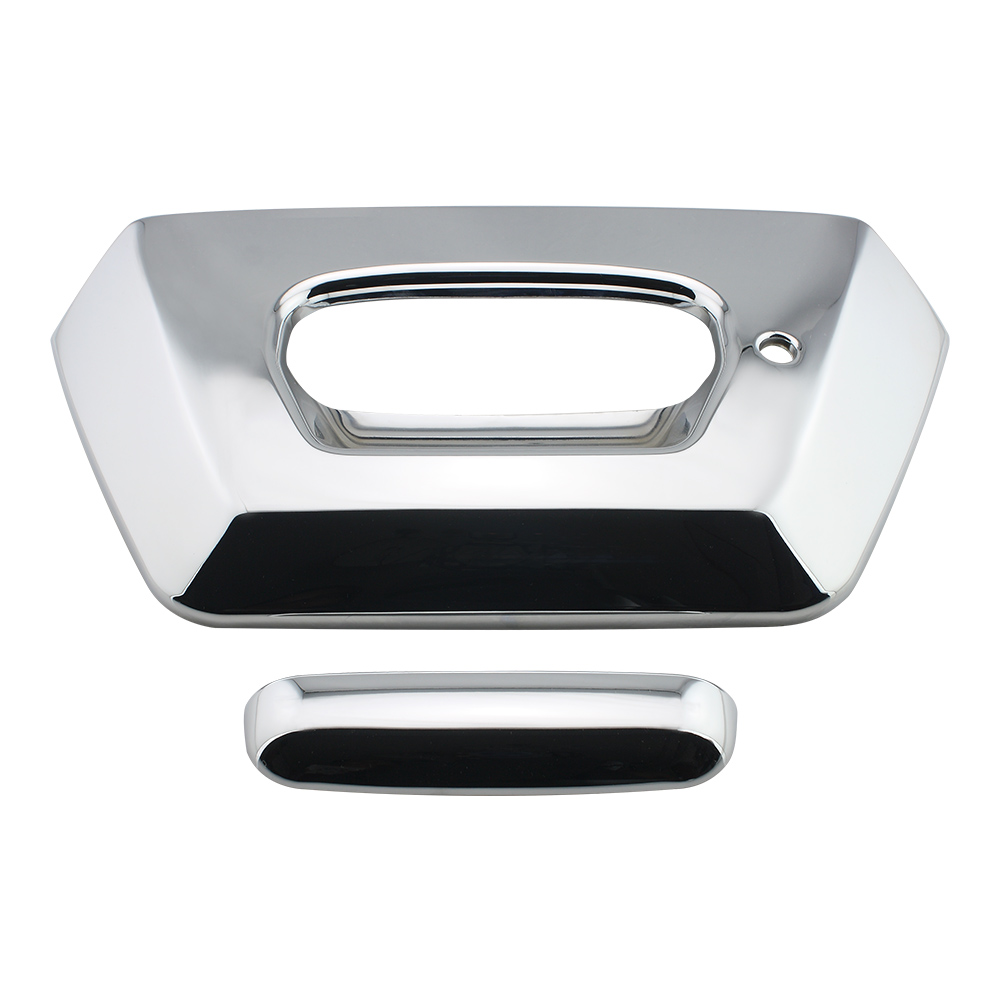 View More >>
(canaddletterfordraptor)-1.jpg) View More >>
View More >>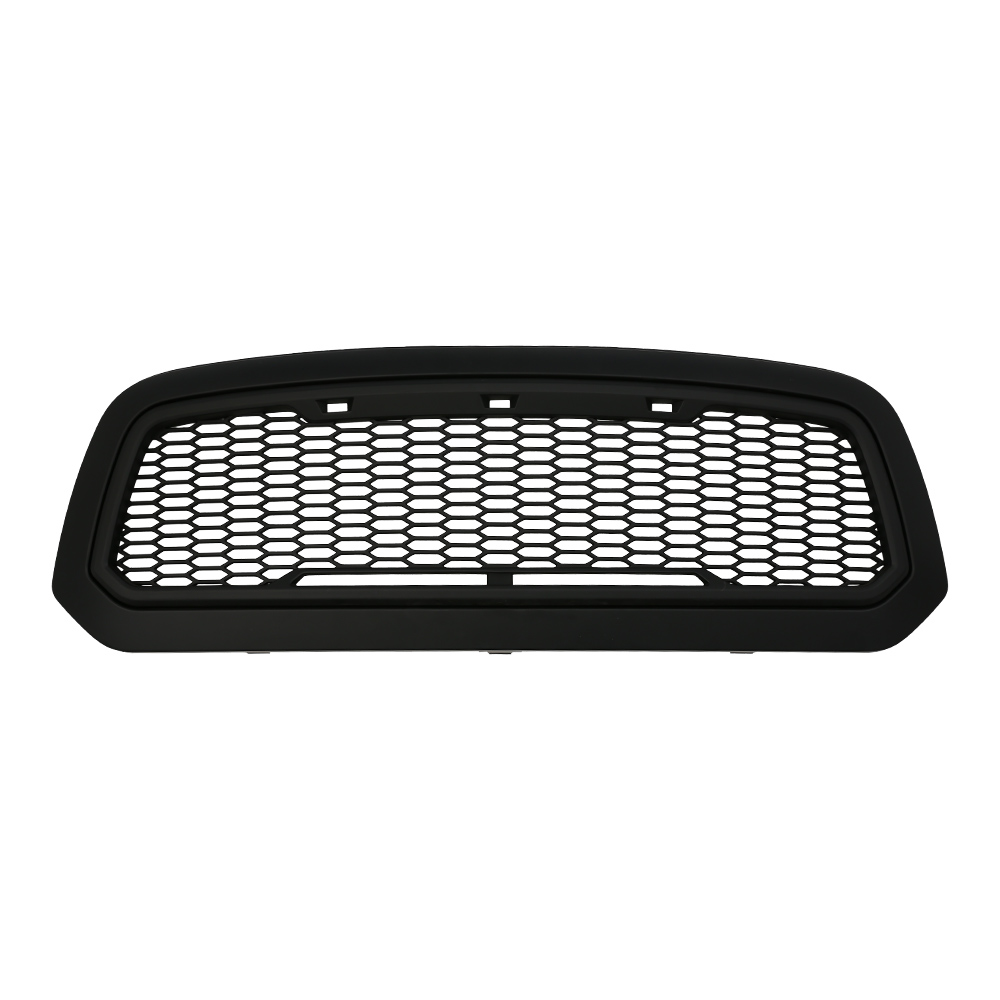 View More >>
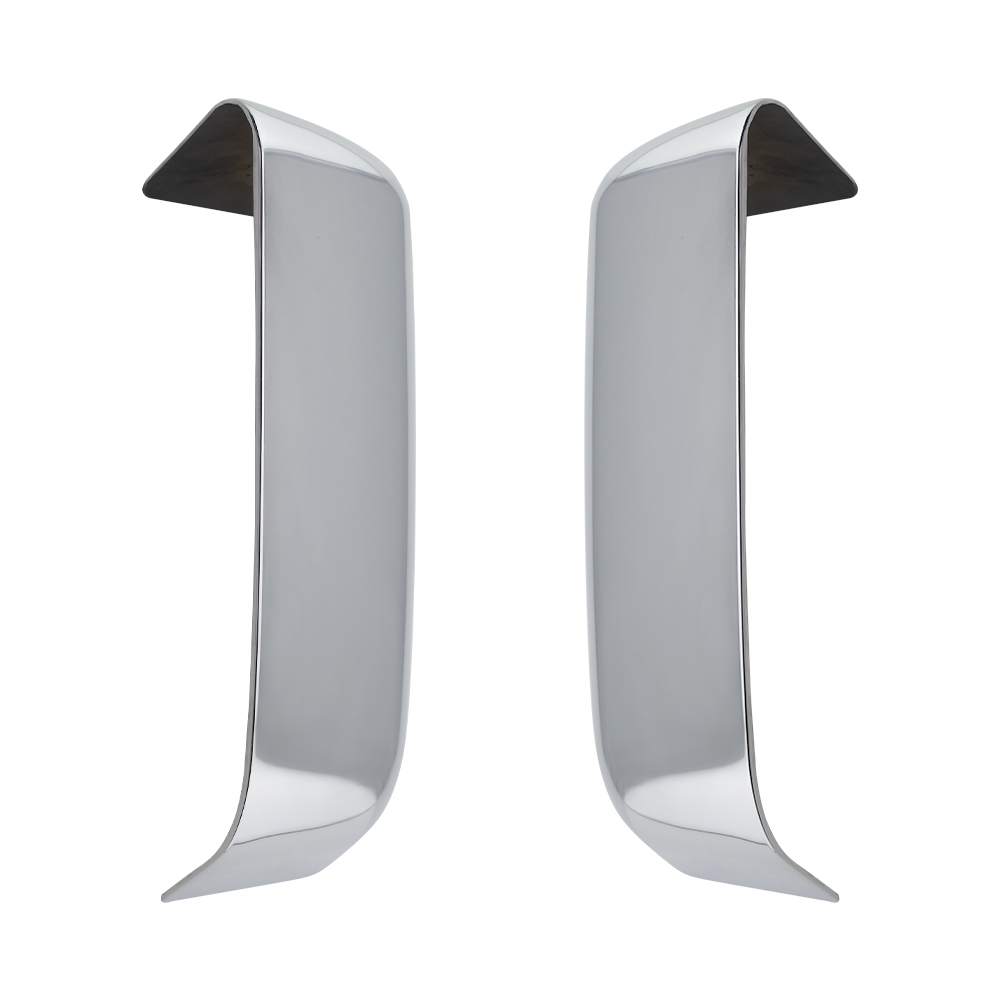 View More >>
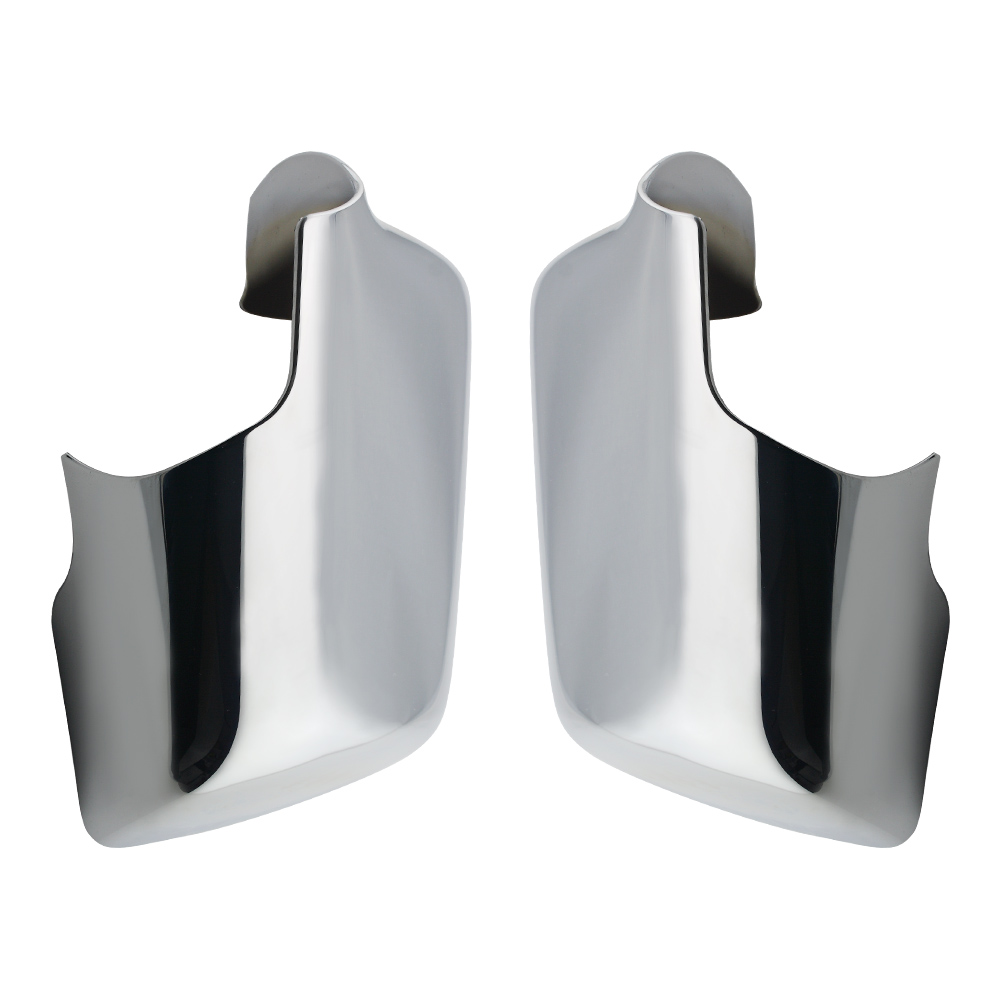 View More >>
 Catalog
 No.41, Qingfeng Avenue, Huangyan, Taizhou, Zhejiang, China
 +86-576-84027277/84299203
 +86-576-84027277
 sale@mamold.com