


 English
 日本語
日本語 Français
 Deutsch
 Español
 简体中文
简体中文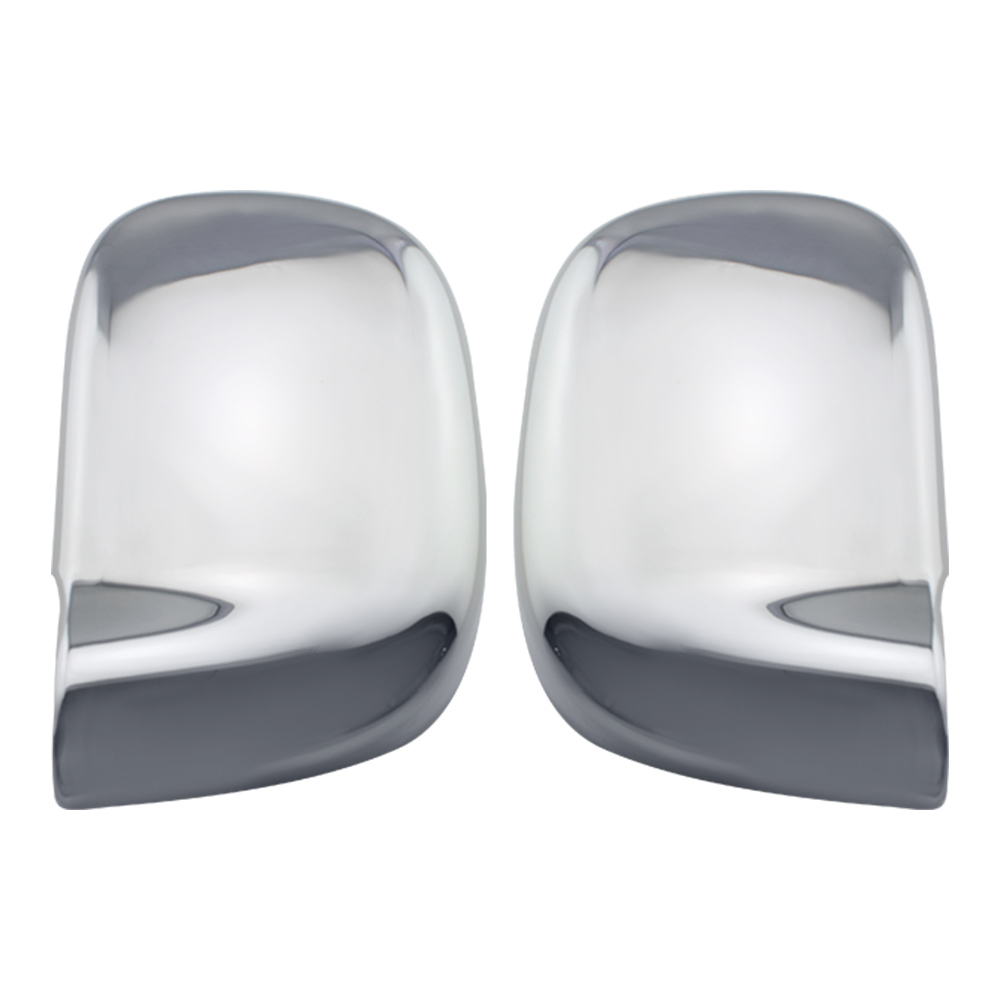
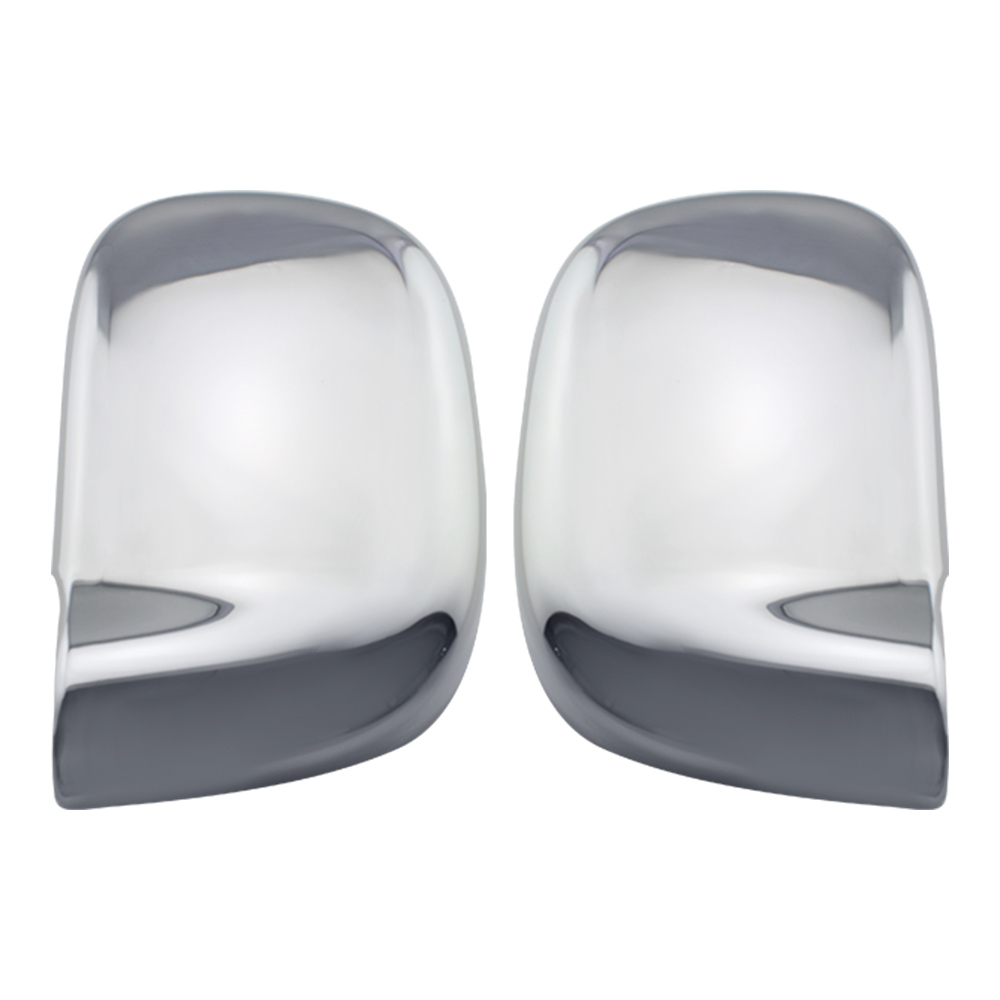
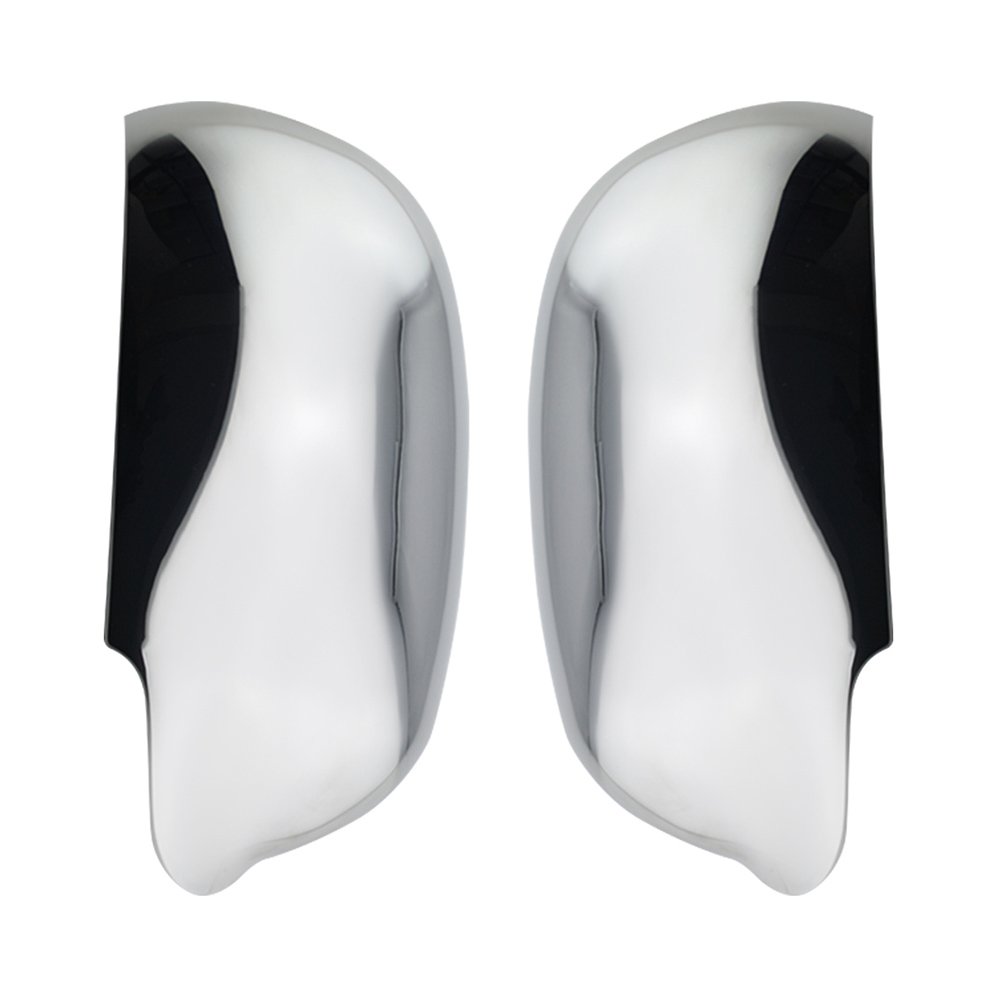
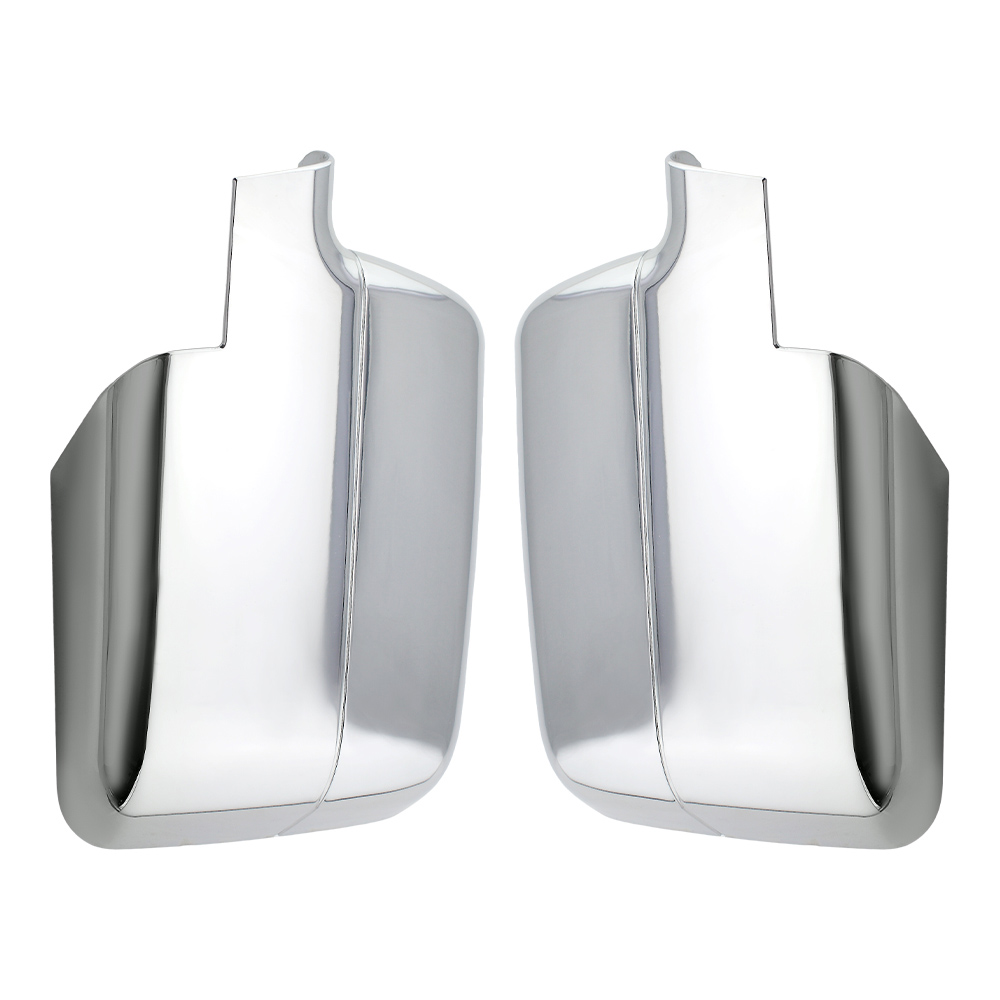
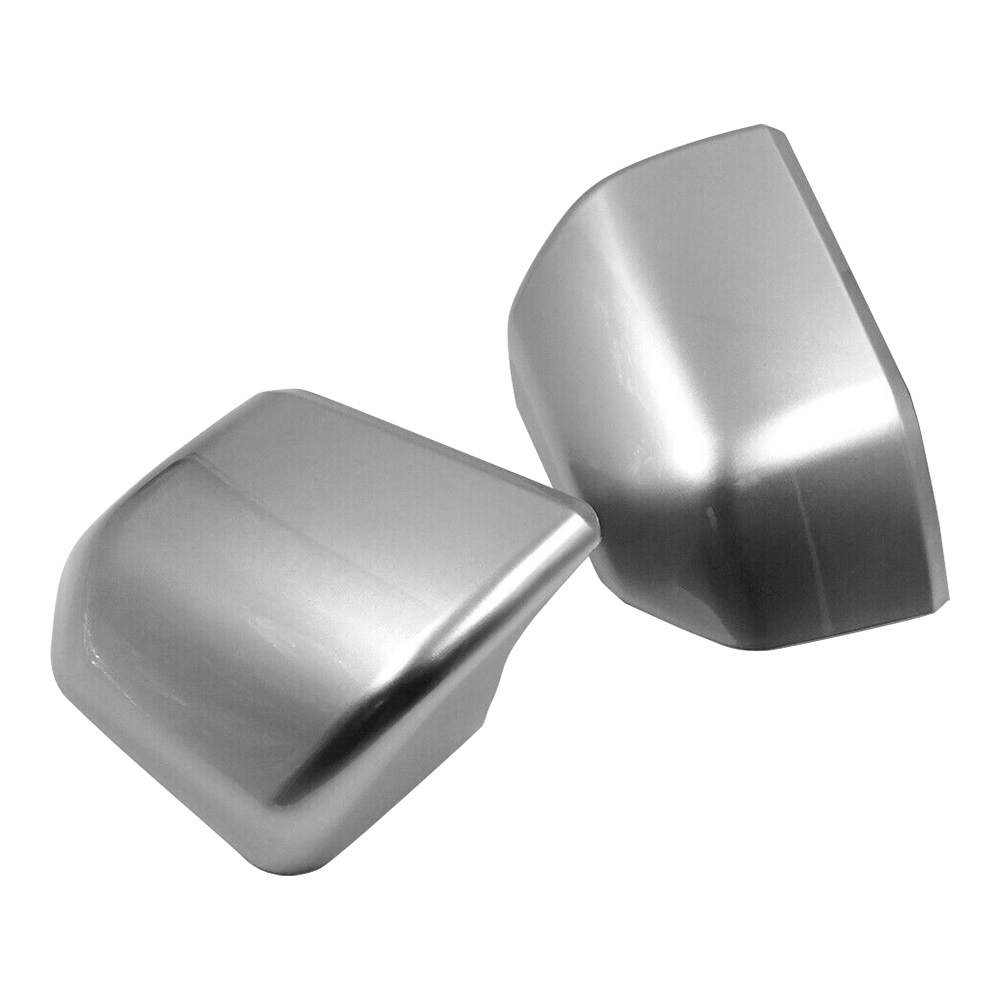
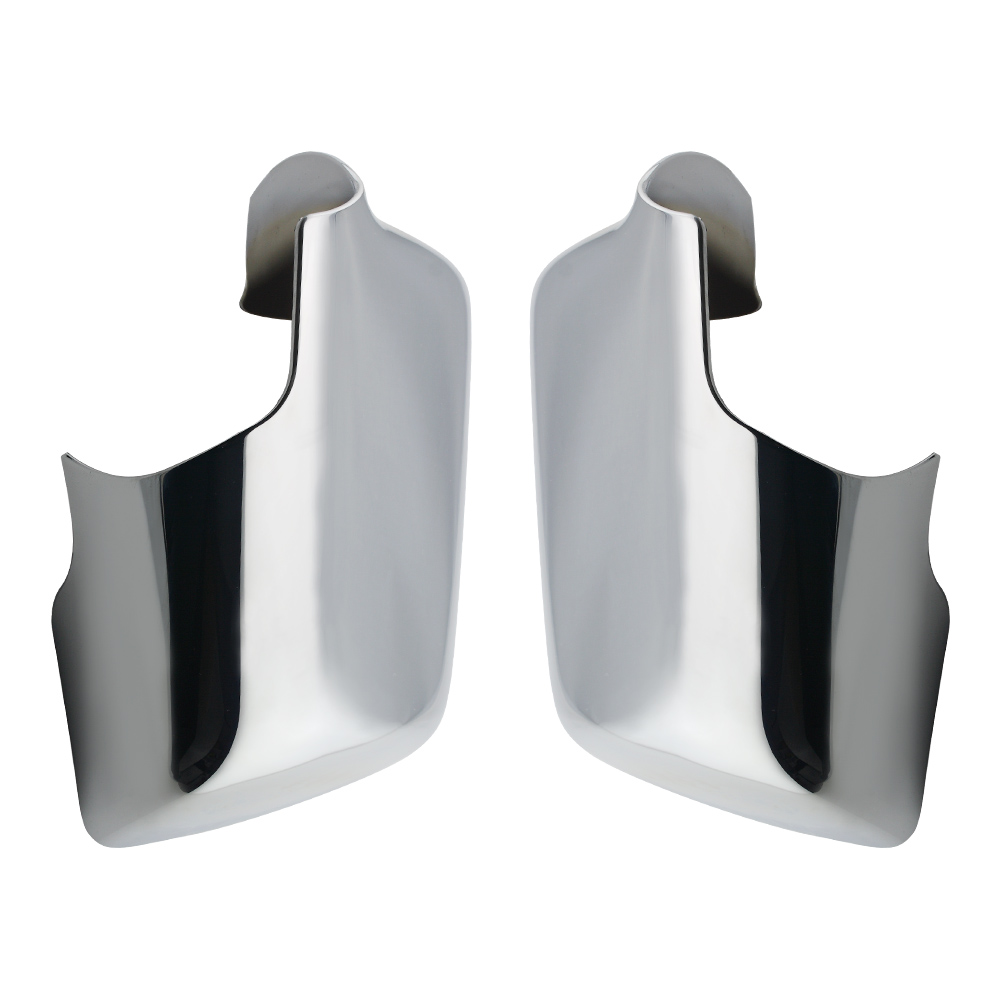
Car mirror covers may seem like small components, but they play an essential role in vehicle aesthetics and protection. A well-constructed cover protects the mirror from scratches, dirt, and minor impacts while complementing the car's design. Car mirror cover factories have become specialized hubs where materials, design, and production methods converge to meet both functional and visual standards.
1. Materials and Design Considerations
Car mirror cover factories usually work with plastics, ABS, or composite materials that balance durability and flexibility. These materials are lightweight, impact-resistant, and easy to shape into complex forms.
- Design: Using CAD software, engineers can produce mirror covers that fit various car models accurately.
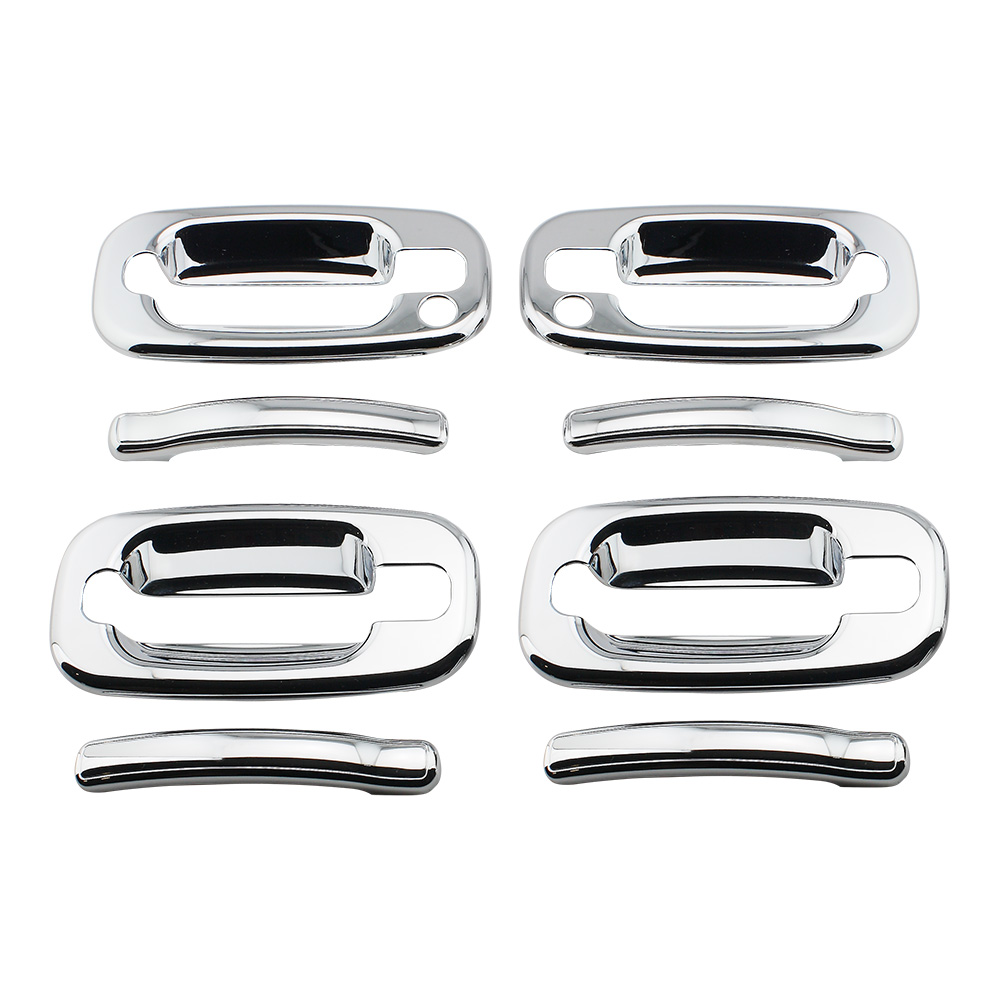
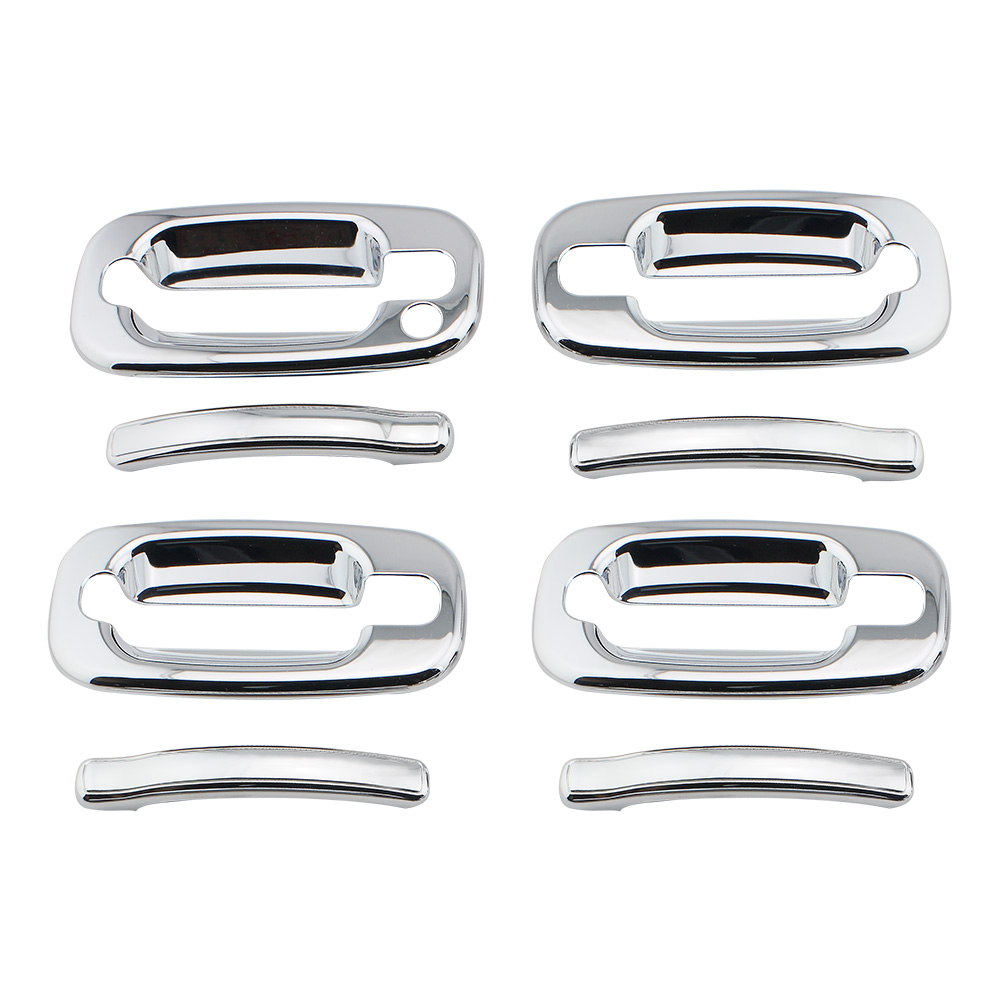
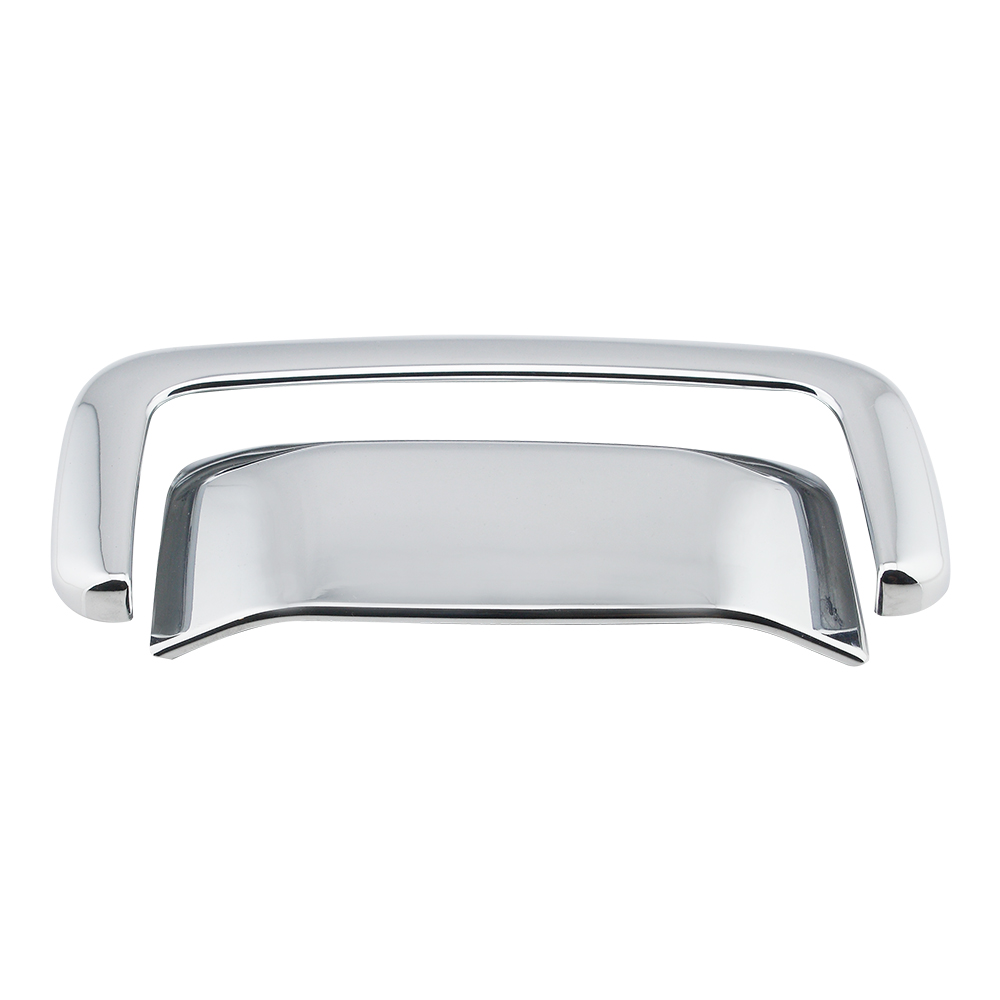
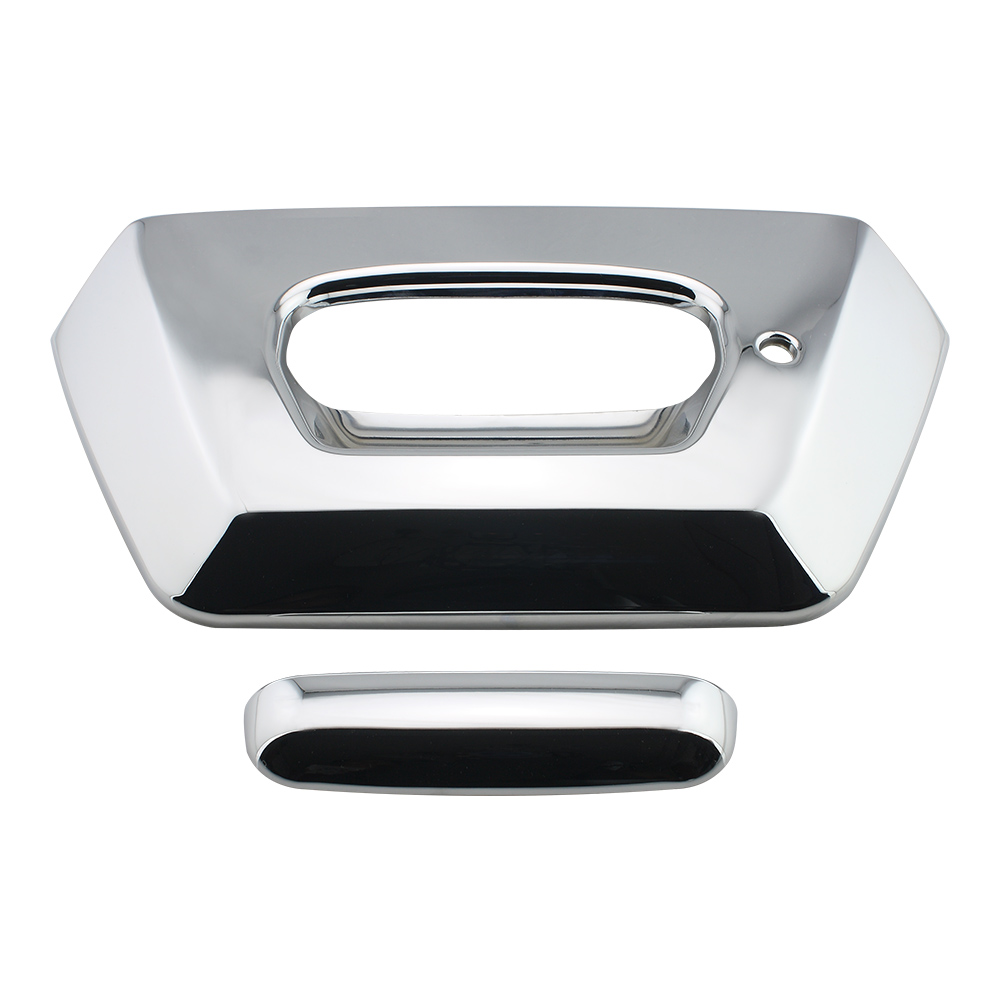
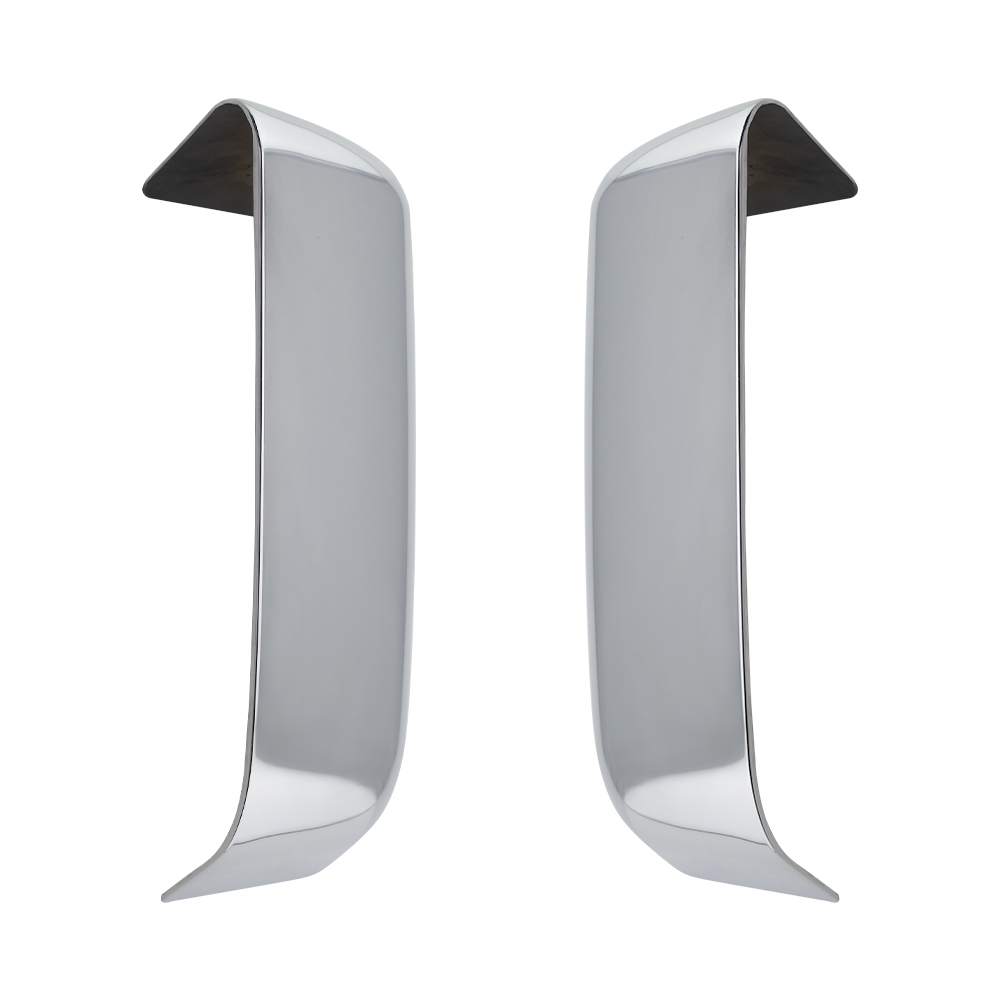
- Customization: Some factories offer options for colors, textures, or even chrome finishes, allowing customers to match the car's overall style.
- Safety Considerations: Certain designs integrate reflective surfaces or aerodynamic features, which can improve visibility and reduce drag slightly, contributing to both safety and fuel efficiency.
2. Production Processes
The production process in a car mirror cover factory typically follows several stages:
- Molding: Injection molding is common, as it produces precise shapes and smooth finishes.
- Trimming and Finishing: Covers are refined to remove excess material, ensure proper alignment, and polish surfaces.
- Painting or Coating: Some factories offer additional finishing steps such as UV-resistant paints or anti-scratch coatings to extend product life.
- Quality Testing: Factories often conduct impact tests, heat resistance evaluations, and fitting trials to ensure durability and proper fit.
These steps help maintain consistent quality across multiple production batches. Additionally, feedback loops from customers allow factories to adjust designs if common issues arise, enhancing long-term reliability.
3. Advantages of Specialized Factories
Choosing a dedicated car mirror cover factory provides several benefits:
- Efficiency: Specialized equipment allows for faster production while maintaining consistent quality.
- Adaptability: Factories can adjust designs to fit new car models or integrate minor design changes without disrupting large-scale production.
- Collaboration: Automotive brands often work directly with factories to ensure that mirror covers meet specific style or functional requirements.
- Aftermarket Support: Beyond OEM supply, many factories also cater to the aftermarket, producing covers that help car owners replace damaged parts or customize their vehicles with unique designs.
4. Sustainability and Material Use
Modern car mirror cover factories also pay attention to environmental impact. Recycled plastics are sometimes used, and energy-efficient production techniques help reduce waste. Some factories even implement take-back programs to recycle old or damaged covers. These practices allow factories to provide sustainable options for car manufacturers and aftermarket suppliers, aligning with growing environmental standards and consumer expectations.
5. Industry Trends
Several trends are shaping car mirror cover factories today:
- Automation: Robotics and automated inspection improve precision and reduce human errors.
- Digital Prototyping: Virtual models and 3D printing help test new designs before committing to full production.
- Market Adaptation: Factories adjust production based on consumer demand, trends in car aesthetics, and protective needs.
- Integration with Vehicle Technology: Some modern mirror covers are designed to house sensors, cameras, or LED indicators. Factories producing such covers need additional expertise to ensure components fit seamlessly and maintain reliability.
Car mirror cover factories are central to producing functional and stylish vehicle components. By combining material expertise, precise manufacturing, and flexible design, these factories meet the evolving needs of car manufacturers and customers. Their attention to quality, sustainability, and innovation ensures that every mirror cover not only protects the vehicle but also enhances its appearance. Understanding how they operate highlights the importance of these specialized factories in the automotive supply chain.
(canaddletterfordraptor).jpg)
 View More >>
 View More >>
 View More >>
 View More >>
 View More >>
 View More >>
 View More >>
 View More >>
(canaddletterfordraptor)-1.jpg) View More >>
View More >> View More >>
 View More >>
 View More >>
 Catalog
 No.41, Qingfeng Avenue, Huangyan, Taizhou, Zhejiang, China
 +86-576-84027277/84299203
 +86-576-84027277
 sale@mamold.com