


 English
 日本語
日本語 Français
 Deutsch
 Español
 简体中文
简体中文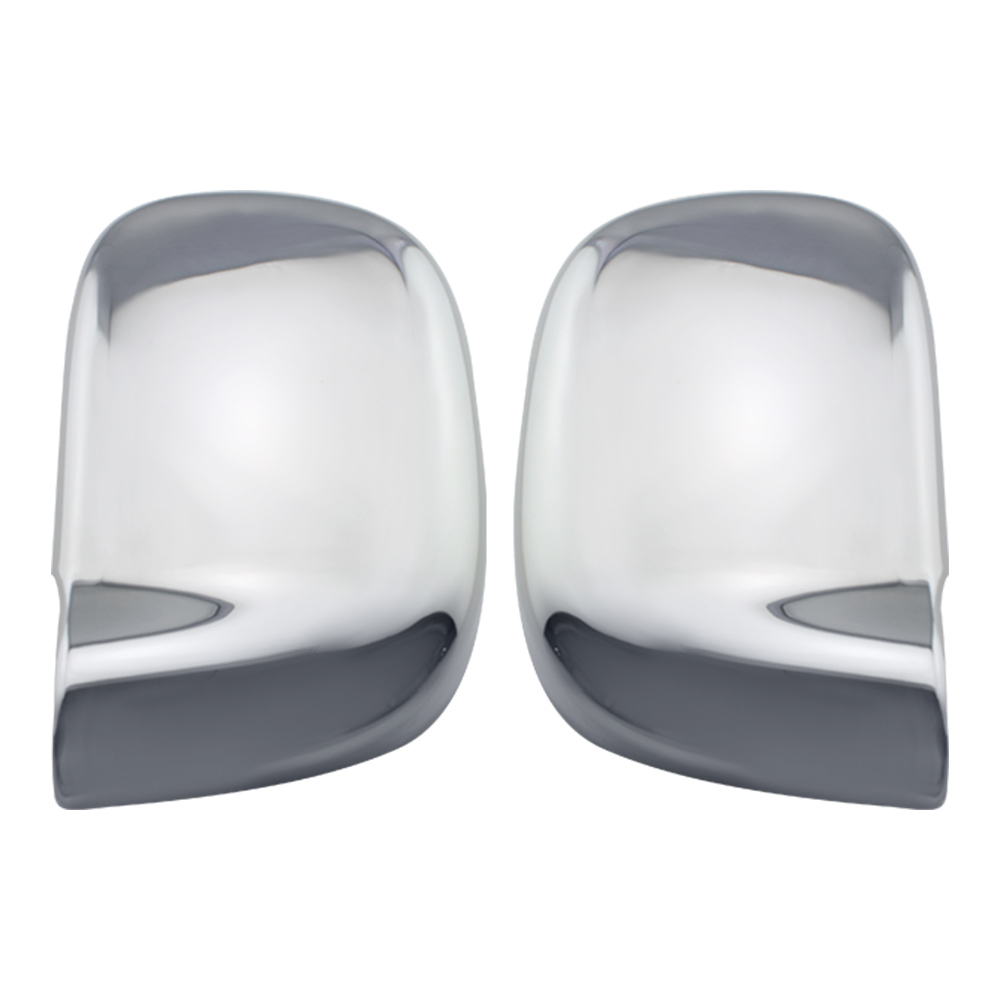
Car mirror covers are essential components that combine functionality and aesthetics. They protect the mirror assembly from damage while complementing the vehicle's design. The materials used in manufacturing these covers play a crucial role in their durability, appearance, and cost.
Thermoplastics for Lightweight and Durable Covers
Thermoplastics are among the widely used materials in mirror cover production. Materials such as ABS (Acrylonitrile Butadiene Styrene) and PP (Polypropylene) are favored due to their light weight, impact resistance, and ease of molding.
ABS offers good rigidity and surface finish, making it suitable for covers that are painted to match the vehicle. Polypropylene provides flexibility and resistance to minor impacts, reducing the risk of cracking in low-speed collisions. Many Car Mirror Cover Manufacturers rely on thermoplastics for these properties, balancing durability with cost-effectiveness. These materials also allow for faster production and easier customization, which can be important for aftermarket or personalized designs.
Polycarbonate for Strength and Heat Resistance
Polycarbonate is another material commonly used in high-quality mirror covers. Known for its strength and heat resistance, it withstands temperature variations and environmental stress, including sunlight exposure.
Car mirror covers made from polycarbonate resist warping and maintain their shape over time. This material is often chosen by Car Mirror Cover Manufacturers when producing covers for premium vehicles or for applications requiring long-term durability. Its toughness also allows for slimmer designs without compromising protection, contributing to a sleek, modern appearance.
Composite Materials for Enhanced Performance
Some manufacturers use composite materials, combining plastics with additives like fiberglass or carbon fiber. These composites offer additional strength without significantly increasing weight.
Fiberglass-reinforced mirror covers are more resistant to cracks and abrasions, while carbon fiber composites provide a lightweight yet robust alternative for high-performance or luxury vehicles. Car Mirror Cover Manufacturers select composites when the application demands a balance of strength, aesthetics, and advanced performance characteristics. These materials are also valued for their ability to absorb minor impacts without transferring stress to the mirror assembly.
Coatings and Finishes
The material alone does not determine the cover's quality; surface finishing is also critical. Many Car Mirror Cover Manufacturers apply coatings or paint layers to enhance appearance, protect against UV radiation, and resist scratches.
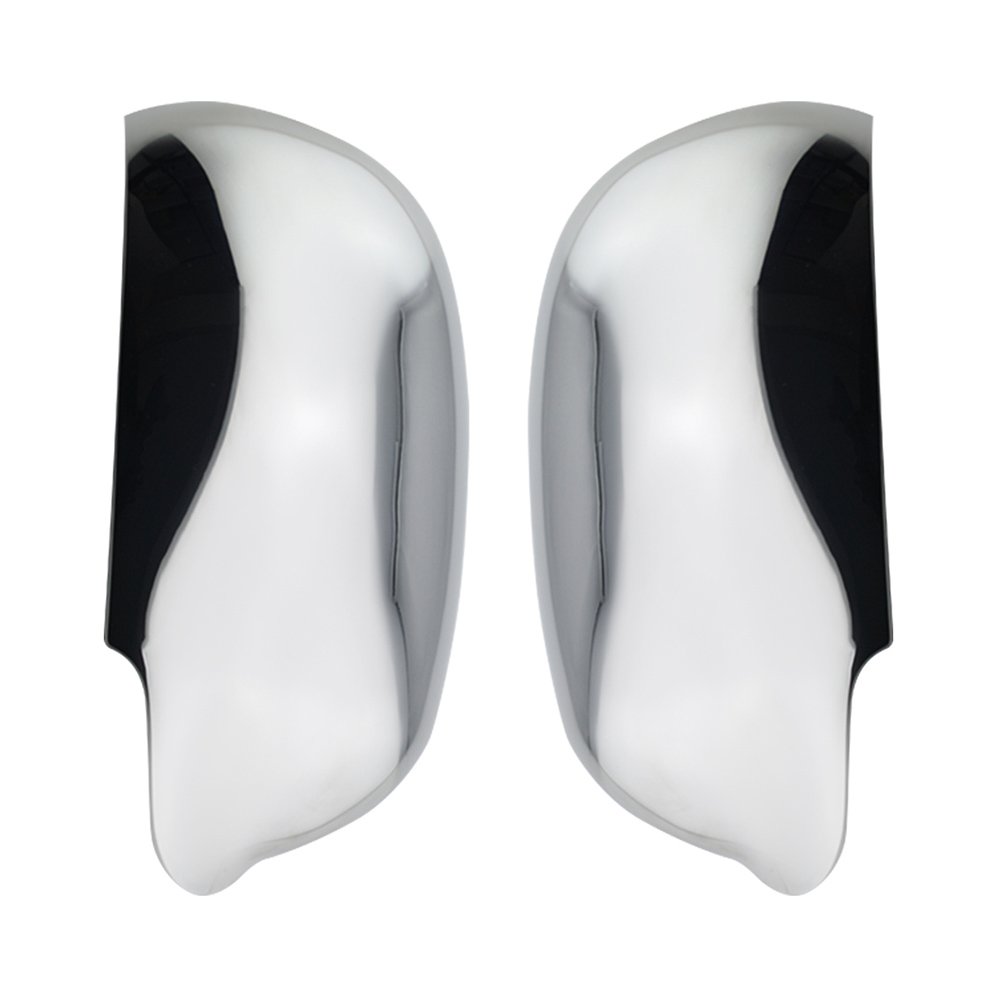
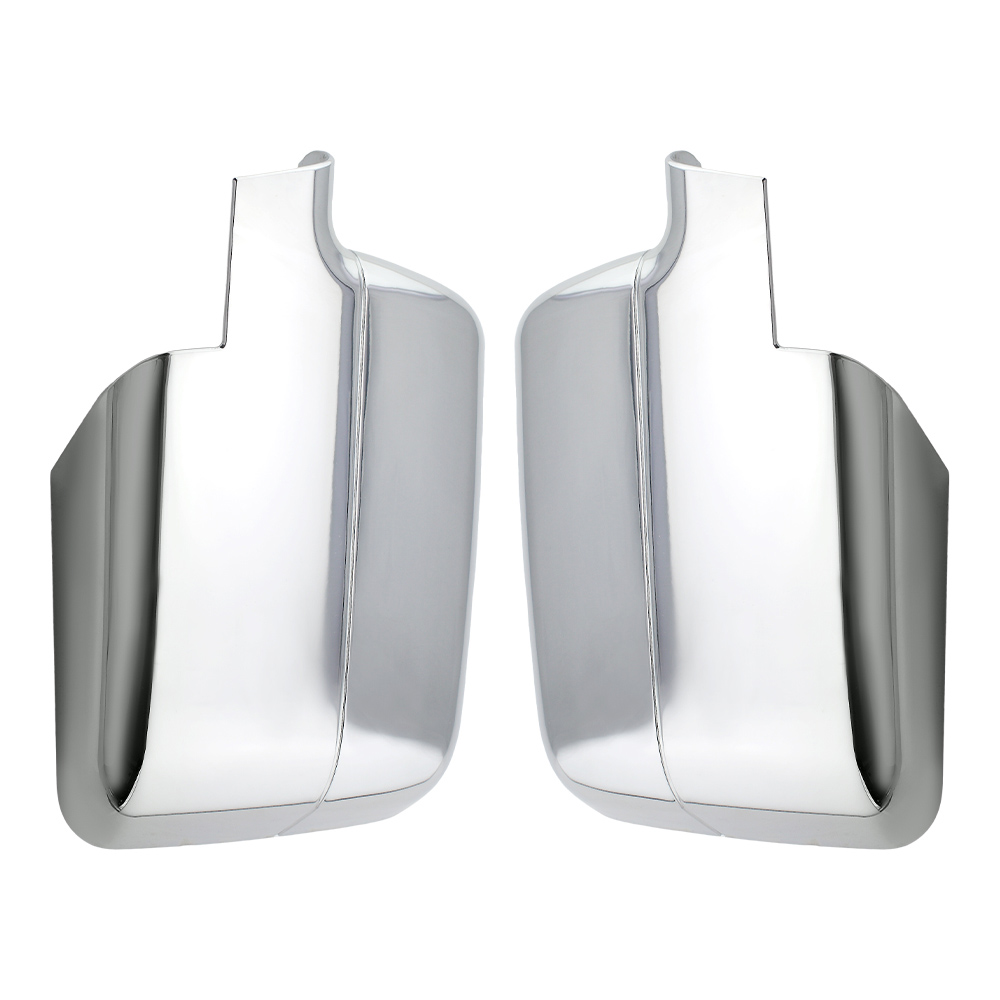
Glossy or matte finishes can be achieved on thermoplastics or composites, allowing the covers to match the vehicle's exterior seamlessly. In some cases, electroplating or metallic finishes are used for premium designs, providing both style and protective benefits. Quality finishing ensures that the covers maintain their aesthetic appeal even after prolonged exposure to harsh weather conditions.
Sustainability Considerations
With growing environmental awareness, some Car Mirror Cover Manufacturers are incorporating recycled plastics or bio-based materials in their production. These options reduce environmental impact while maintaining the mechanical properties needed for automotive use. Recyclable covers also make end-of-life disposal easier, aligning with sustainability goals in the automotive industry.
Car mirror covers require materials that balance durability, weight, heat resistance, and aesthetic appeal. Thermoplastics such as ABS and polypropylene are popular for their versatility and cost-effectiveness, while polycarbonate and composite materials offer added strength and heat resistance. Coatings and finishes further enhance appearance and protection, and sustainable material options are increasingly considered.
Thoughtful material selection not only affects the cover's performance and longevity but also contributes to the overall quality, safety, and visual appeal of the vehicle.
 View More >>
 View More >>
 View More >>
 View More >>
 View More >>
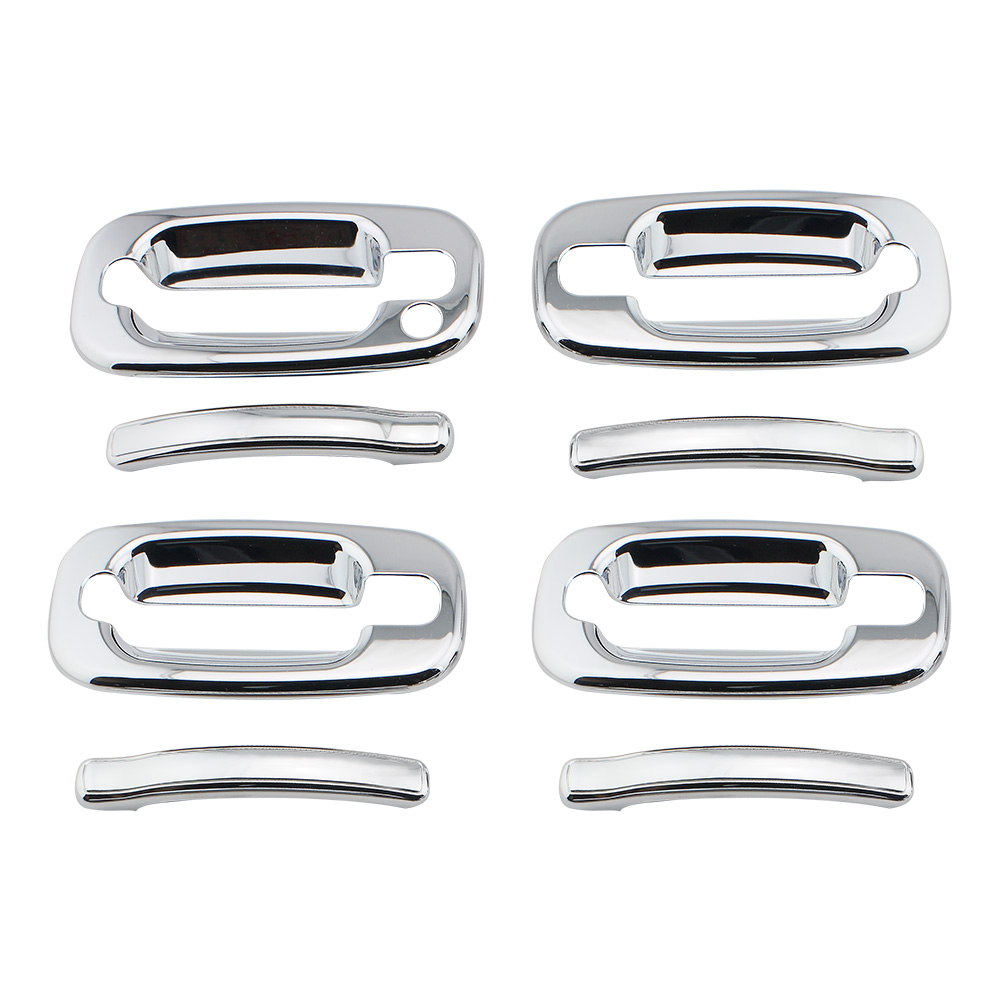 View More >>
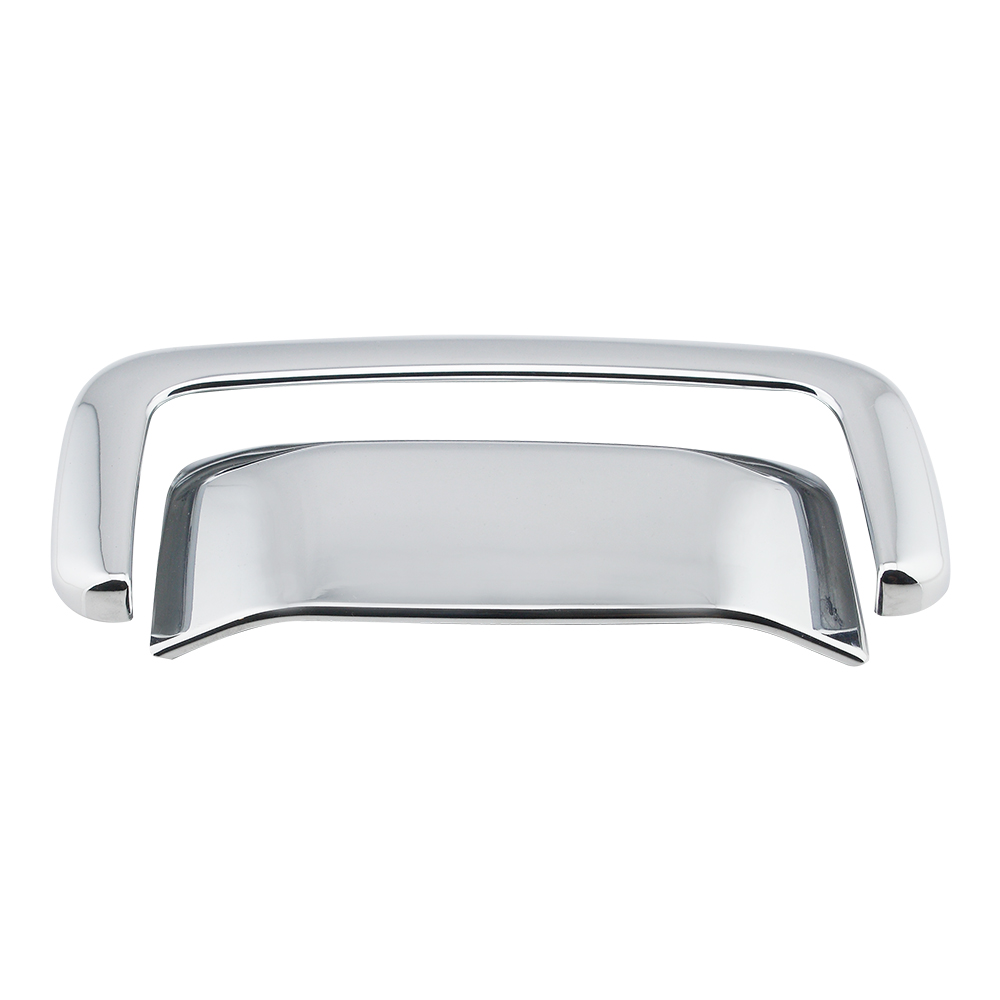 View More >>
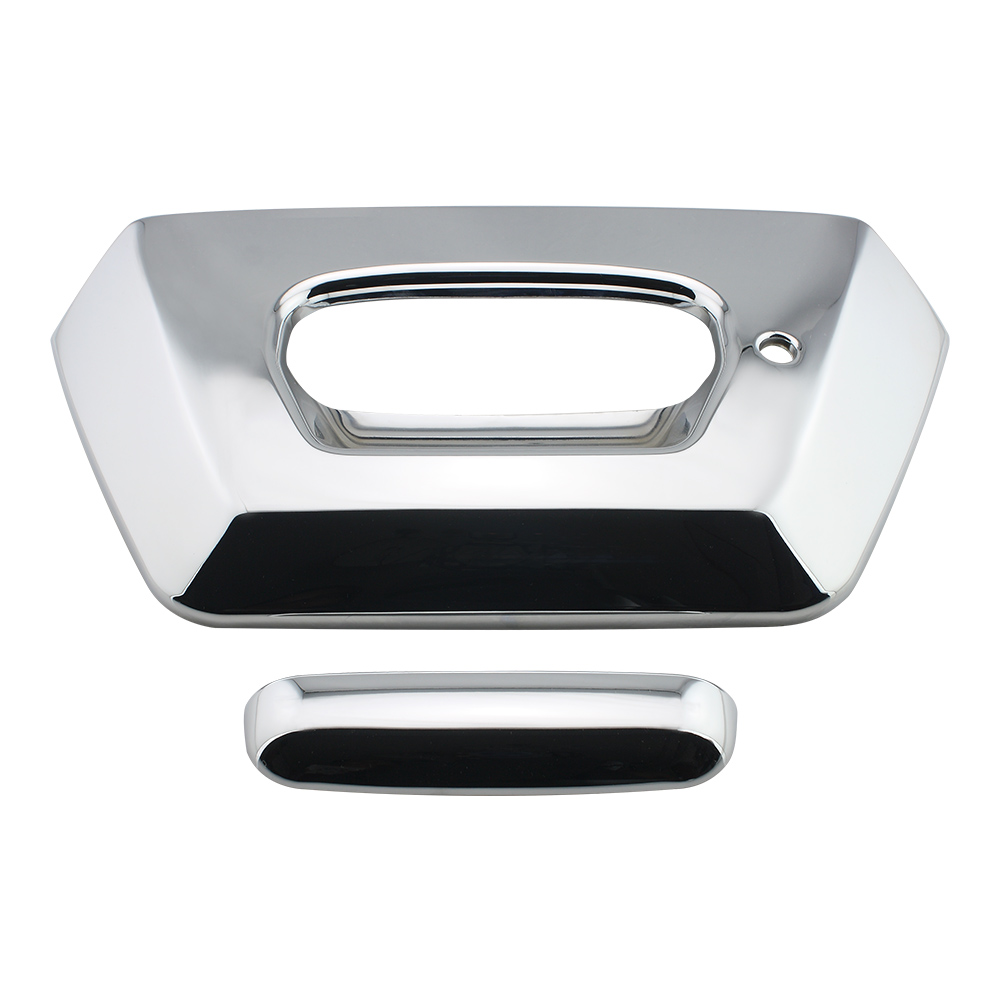 View More >>
(canaddletterfordraptor)-1.jpg) View More >>
View More >>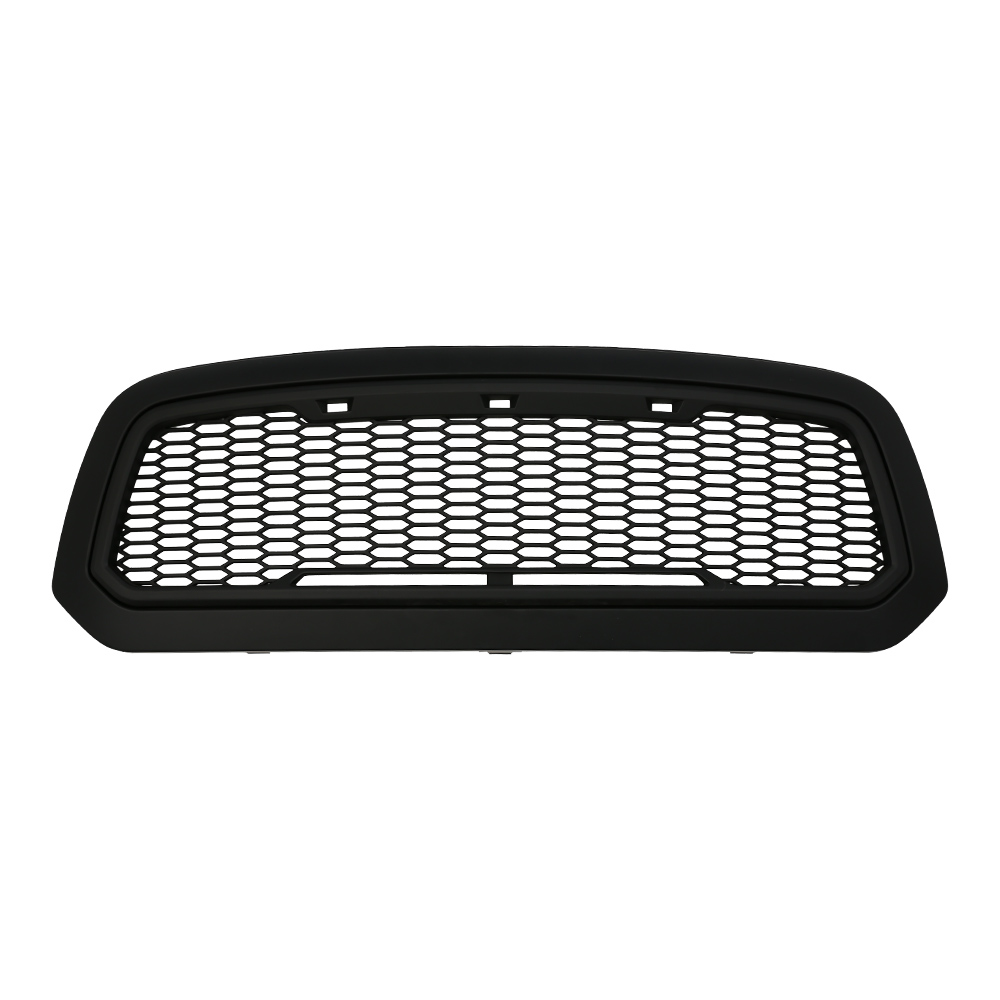 View More >>
 View More >>
 View More >>
 Catalog
 No.41, Qingfeng Avenue, Huangyan, Taizhou, Zhejiang, China
 +86-576-84027277/84299203
 +86-576-84027277
 sale@mamold.com