


 English
 日本語
日本語 Français
 Deutsch
 Español
 简体中文
简体中文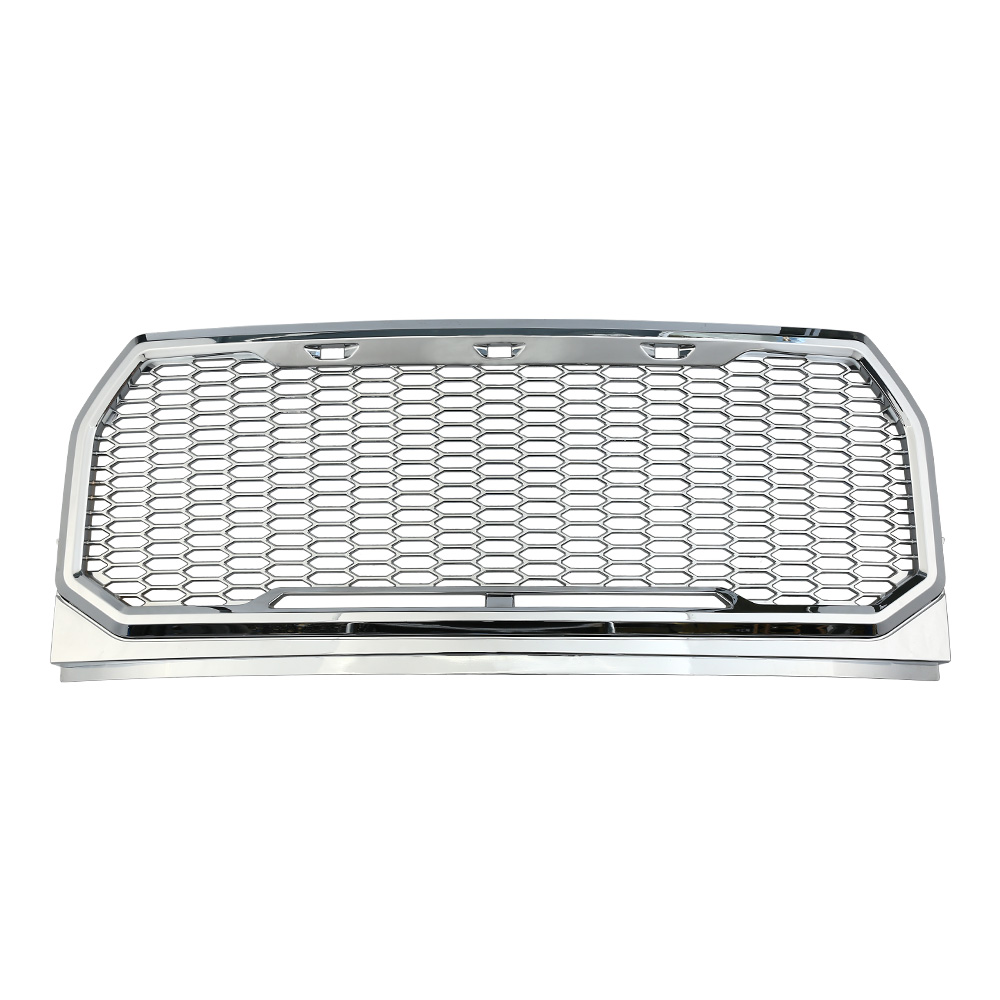
Automotive grills are not only functional components that protect the radiator and engine but also serve as a significant design element influencing a vehicle's overall aesthetics. An ABS plastic automotive grill factory plays a key role in producing grills that balance style, durability, and manufacturability.
Material Advantages of ABS Plastic
ABS plastic is a popular choice for automotive grills due to its lightweight, impact resistance, and ease of molding. These properties allow an ABS plastic automotive grill factory to create intricate designs while ensuring durability under various environmental conditions. Additionally, ABS plastic supports multiple finishes, including matte, gloss, and chrome-like coatings, giving designers flexibility in styling vehicles.
The material's resistance to temperature changes and corrosion also ensures that grills maintain their appearance and functionality over time, which is particularly important for vehicles exposed to varying climates.
Emphasis on Aerodynamics
One of the significant trends in automotive grill design is the focus on aerodynamics. Grills are no longer purely decorative; they contribute to airflow management, reducing drag and improving fuel efficiency. Manufacturers are increasingly designing ABS plastic automotive grills with precise vent patterns that channel air efficiently to the engine and cooling systems.
Curved slats, honeycomb patterns, and integrated air intakes are common design elements that improve performance while giving the vehicle a modern and sporty appearance. An ABS plastic automotive grill factory can adapt molds to accommodate these complex shapes without compromising structural integrity.
Customization and Brand Identity
Automakers are using grills to strengthen brand identity. Unique patterns, logos, and shapes help distinguish one model from another. Many ABS plastic automotive grill factories offer customizable designs, allowing brands to create signature grills that reflect their identity and market positioning.
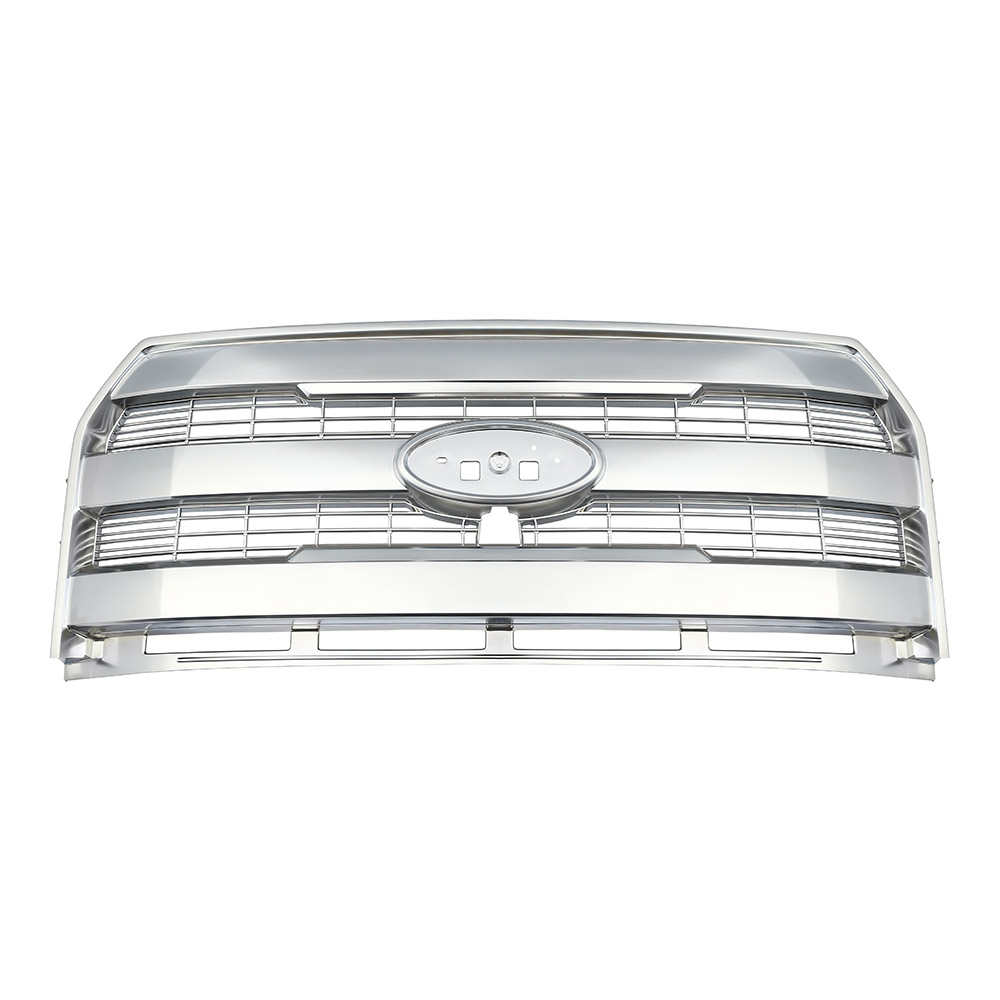
From vertical or horizontal slats to intricate mesh patterns, the design possibilities are extensive. This trend emphasizes the need for factories to provide flexible production capabilities, including precise molding and finishing options.
Lightweight and Sustainable Designs
Another emerging trend is the focus on lightweight and sustainable automotive components. Designers prefer ABS plastic automotive grills because they reduce overall vehicle weight compared to metal alternatives, contributing to fuel efficiency and lower emissions.
Sustainability is also influencing design choices. Some factories are incorporating recycled ABS or blended materials, allowing carmakers to market eco-friendly vehicles without compromising performance or aesthetics.
Integration of Technology
Modern automotive grills increasingly integrate technology such as sensors, cameras, and adaptive features for autonomous driving systems. A capable ABS plastic automotive grill factory must design grills that accommodate these components while maintaining durability and appearance.
Designs now often include hidden mounting points, sensor cutouts, or reinforced sections to house cameras and radar systems. This trend requires precise engineering and collaboration between designers and manufacturers to ensure functionality and visual appeal coexist seamlessly.
Current trends in ABS automotive grill design emphasize aerodynamics, brand identity, lightweight construction, and technological integration. An ABS plastic automotive grill factory capable of handling intricate molds, customizable finishes, and sustainable materials is essential for meeting these evolving market demands. By combining style, functionality, and advanced manufacturing techniques, modern grills not only protect the engine but also define the character of a vehicle and enhance its performance.
 View More >>
 View More >>
 View More >>
 View More >>
 View More >>
 View More >>
 View More >>
 View More >>
(canaddletterfordraptor)-1.jpg) View More >>
View More >>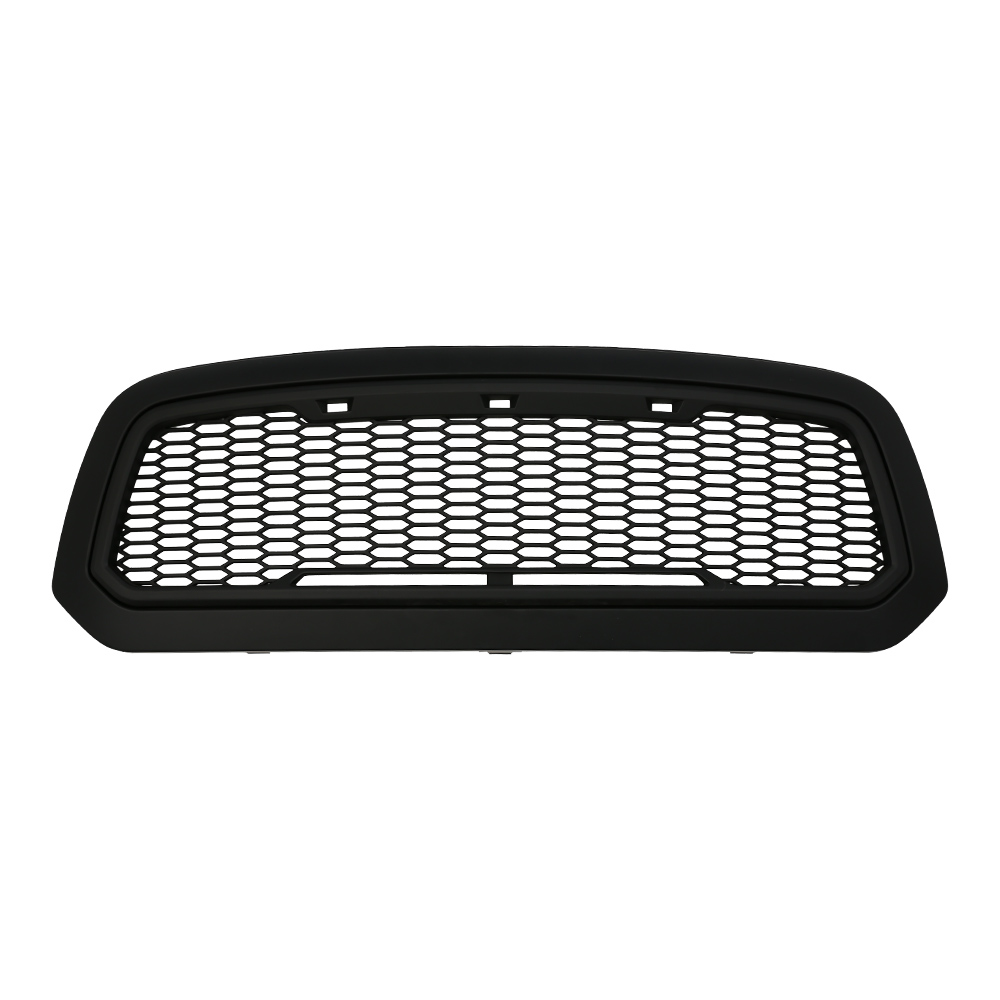 View More >>
 View More >>
 View More >>
 Catalog
 No.41, Qingfeng Avenue, Huangyan, Taizhou, Zhejiang, China
 +86-576-84027277/84299203
 +86-576-84027277
 sale@mamold.com