


 English
 日本語
日本語 Français
 Deutsch
 Español
 简体中文
简体中文(canaddletterfordraptor).jpg)
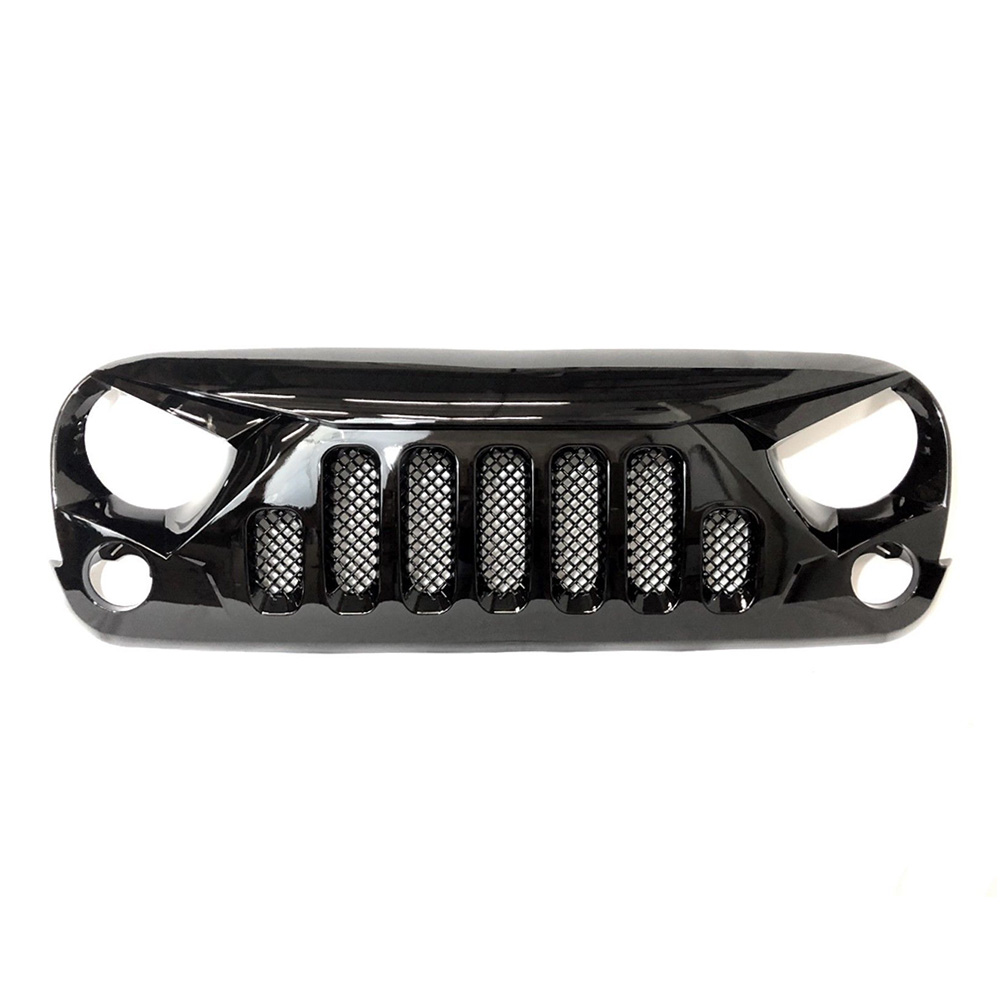
When it comes to car customization and manufacturing, the grille plays a significant role not only in aesthetics but also in functionality. The ABS plastic automotive grill factory has become an essential part of the automotive supply chain, producing durable, lightweight, and adaptable grilles for a wide range of vehicles. Understanding how these factories operate provides insights into quality, innovation, and efficiency in automotive manufacturing. In addition, their ability to respond to changing automotive trends helps manufacturers stay competitive while meeting customer expectations.
1. The Role of ABS Plastic in Automotive Grills
ABS plastic is widely favored for automotive grilles due to its combination of strength, flexibility, and resistance to heat and impact. Unlike traditional metal grilles, ABS can be molded into complex shapes without compromising durability. Factories specializing in ABS plastic automotive grills focus on precision molding techniques that maintain consistent quality across large production volumes. This ensures that grilles not only fit perfectly but also withstand daily wear and environmental stress. Moreover, ABS plastic allows for lightweight designs that help improve fuel efficiency, making it a practical choice for modern vehicles.
2. Production Process in ABS Plastic Automotive Grill Factories
The manufacturing process in an ABS plastic automotive grill factory generally includes several key stages: design, prototyping, molding, finishing, and quality control.
- Design: Engineers use CAD software to create grille designs that balance style, airflow, and protection.
- Prototyping: Rapid prototyping allows for testing new designs before full-scale production. This step helps identify potential weak points or design adjustments early.
- Molding: Injection molding is a common technique in these factories, ensuring high precision and repeatability. This process allows for consistent shapes and textures, which are essential for mass production.
- Finishing: After molding, grilles are trimmed, polished, and sometimes coated to enhance aesthetics and durability. Different finishes can also improve scratch and UV resistance.
- Quality Control: Rigorous testing ensures each grille meets strength, heat resistance, and dimensional standards. Factories often perform stress tests to simulate real-world conditions, guaranteeing reliable performance.
3. Advantages of Working with Specialized Factories
Choosing a specialized ABS plastic automotive grill factory provides multiple benefits:
- Consistency: Large-scale production ensures uniformity in design and dimensions.
- Cost Efficiency: Efficient production methods reduce material waste and labor costs.
- Customization: Many factories offer options for color, finish, and design adjustments to meet client preferences.
- Innovation: Factories often collaborate with designers to implement new features such as improved airflow or lightweight reinforcement.
- Technical Support: These factories frequently provide guidance on installation, maintenance, and material selection, helping automotive companies achieve results without trial and error.
4. Environmental and Material Considerations
Modern ABS plastic automotive grill factories also pay attention to sustainability. Recycling ABS material, minimizing energy consumption during production, and reducing waste are increasingly part of factory operations. These considerations are important not only for regulatory compliance but also for automotive companies that value eco-friendly supply chains. In some cases, factories are experimenting with bio-based ABS alternatives or implementing closed-loop recycling systems to further reduce environmental impact.
5. Trends Shaping ABS Plastic Automotive Grill Factories
Several trends are influencing the way these factories operate:
- Digital Manufacturing: Automation and robotics improve precision and reduce errors.
- Advanced Coatings: New coatings enhance durability and UV resistance.
- Global Supply Networks: Factories are increasingly integrating with global automotive manufacturers, offering flexible production schedules and logistics support.
- Collaborative Design: Some factories work directly with car manufacturers during the early design stage to integrate grills seamlessly into the vehicle's overall aesthetic and functionality.
ABS plastic automotive grill factories are more than just production sites; they are hubs of innovation, precision, and efficiency. By understanding their processes, advantages, and trends, automotive companies can make informed decisions when sourcing grilles. As vehicle designs continue to evolve, these factories will likely continue adapting, balancing aesthetic appeal, functionality, and sustainability. Their role in supporting both mass production and specialized customization highlights the importance of ABS plastic automotive grill factories in the modern automotive industry.
 View More >>
 View More >>
 View More >>
 View More >>
 View More >>
 View More >>
 View More >>
(canaddletterfordraptor)-1.jpg) View More >>
View More >>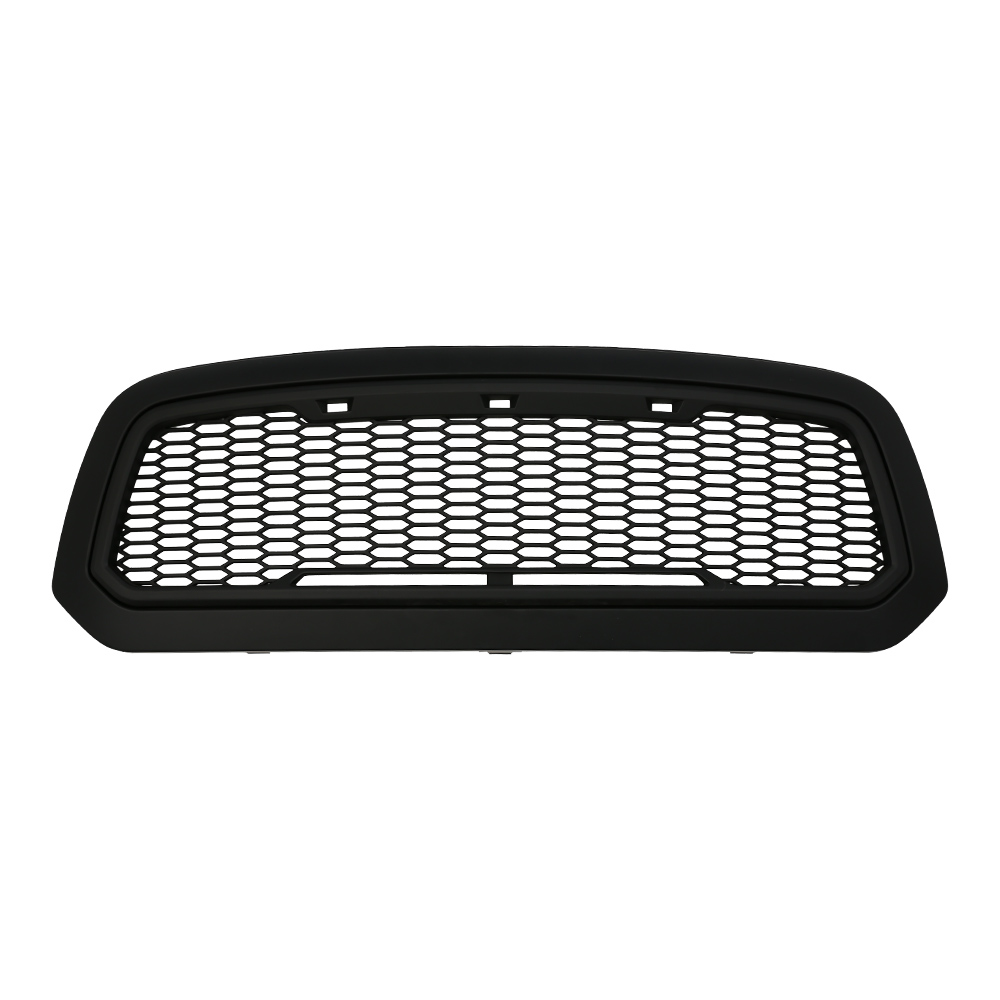 View More >>
 View More >>
 View More >>
 Catalog
 No.41, Qingfeng Avenue, Huangyan, Taizhou, Zhejiang, China
 +86-576-84027277/84299203
 +86-576-84027277
 sale@mamold.com